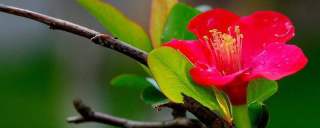
From our perspective as azaleas, root rot is a silent, suffocating siege. It begins not in our beautiful blossoms or glossy leaves, but in the hidden world beneath the soil, where our roots reside. Our roots are our lifeline; they are how we drink, eat, and anchor ourselves. When the soil around us becomes perpetually waterlogged, it creates a critical problem. The tiny air pockets between soil particles, which we rely on to breathe, fill with water. Our root cells begin to suffocate from a lack of oxygen. In this weakened, oxygen-starved state, we become incredibly vulnerable. The real damage begins when opportunistic pathogens, primarily water molds from the genus *Phytophthora* (which aptly means "plant destroyer"), sense our distress. These fungi-like organisms thrive in the very conditions that are drowning us.
The invasion is a covert operation. The *Phytophthora* spores germinate and attack our root tips first, the most delicate and active parts of our root system. They penetrate the root cells, consuming them for their own growth. As the infection spreads, the outer layer of our roots (the cortex) turns soft, mushy, and brown or black instead of a healthy white or tan. From our point of view, this is like having our straws for drinking water and nutrients systematically clogged and destroyed. The initial symptoms you see above ground are our desperate distress signals. Our leaves begin to wilt, not from dryness, but because our damaged roots cannot transport water upwards. The leaves may turn yellow (chlorosis) and curl, and new growth will be stunted. Ultimately, entire branches will die back as the rot progresses upward, girdling the crown and cutting off all life support.
As azaleas, we are inherently predisposed to this condition because of our fine, fibrous root systems. We are not deep-rooted plants like trees. Our roots grow densely but relatively close to the surface, making us highly sensitive to our soil environment. The primary cause of our suffering is always excessive moisture around our roots. This can be a result of several human-controlled factors: being planted in heavy, compacted clay soil that drains poorly; being placed in a low-lying area where water collects; or being subjected to overly generous and frequent watering. Even a pot without adequate drainage holes becomes a death trap for us. Furthermore, being planted too deeply, where the root flare is buried, stresses the base of our stems and encourages rot organisms to attack that critical area.
If the infection is caught early, before the entire root system is compromised and the main stems are affected, we can recover. The solution is to immediately correct the environment that made us sick. First, we need the soil around our roots to dry out and breathe. Improving drainage is paramount. For potted azaleas, this means repotting us into a fresh, well-aerated, acidic mix specifically for acid-loving plants, ensuring the new container has excellent drainage. For azaleas in the landscape, it may involve carefully lifting us and amending the planting bed with a large quantity of organic matter like compost or pine bark to improve soil structure. In severe cases, creating a raised bed might be necessary. Any watering schedule must be adjusted to ensure the top few inches of soil dry out between waterings. Pruning away the visibly dead and dying branches above ground also helps us, as it reduces the demand on our compromised root system, allowing us to focus our limited energy on regenerating healthy roots.