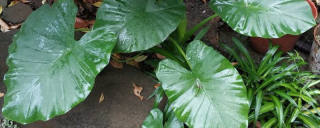
To understand if you can put your Alocasia outside for the summer, you must first consider its natural habitat. Alocasias are native to the tropical and subtropical regions of Asia and Eastern Australia. In the wild, they thrive on the forest floor or in the lower canopy, where they receive dappled, filtered sunlight. They are accustomed to consistently warm temperatures, high humidity, and protection from harsh, direct sun and strong winds. This genetic blueprint is the key to successfully transitioning your plant outdoors. The goal is to replicate these ideal conditions as closely as possible, using the summer elements to your plant's advantage rather than its detriment.
When done correctly, moving your Alocasia outside can be highly beneficial. The primary advantage is increased light levels. Even in a bright indoor spot, the light intensity is significantly lower than what is available outdoors in a shaded area. This boost in indirect light can lead to more vigorous growth, larger leaves, and an overall healthier, more robust plant. Furthermore, outdoor conditions often provide better air circulation, which can help prevent fungal issues and pest infestations like spider mites that thrive in dry, stagnant indoor air. Natural rainfall can also help flush minerals from the soil that accumulate from tap water.
Before relocating your Alocasia, several factors must be carefully assessed to avoid shock or damage.
Temperature: Alocasias are extremely sensitive to cold. You must wait until nighttime temperatures are consistently above 15°C (60°F). Any exposure to cooler temperatures can cause stress, leaf yellowing, and damage. Summer is ideal because it provides the sustained warmth these plants crave.
Light: This is the most common point of failure. Direct sunlight will scorch the beautiful leaves, leaving unsightly brown patches. Your Alocasia must be placed in a location that receives bright but indirect light. A spot under a dense tree canopy, on a covered porch, or on the north or east side of your home where it is shielded from the intense afternoon sun is perfect.
Acclimatization: You cannot simply move the plant from inside to full outdoor conditions in one step. This sudden change will cause sunburn and stress. The process, known as hardening off, should take 7-10 days. Start by placing the plant in a deeply shaded, sheltered spot for just a few hours a day. Gradually increase its time outside and slowly introduce it to the level of light it will receive in its final summer location.
Once acclimatized, your Alocasia's care routine will need adjustment. Watering: Outdoor plants typically dry out faster due to wind and warmer air. You will likely need to water more frequently, checking the soil moisture regularly. The goal remains consistently moist but not waterlogged soil. Humidity: While outdoor humidity is generally higher, periods of dry heat can still occur. Grouping plants together or placing the pot on a pebble tray can help maintain a humid microclimate. Pests: Be vigilant about pests. Outdoor plants can attract aphids, mealybugs, and caterpillars. Inspect the leaves (especially the undersides) regularly and treat any infestations promptly.
The outdoor stay is only temporary. As summer ends and nighttime temperatures begin to dip back towards 15°C (60°F), you must plan the move back indoors. Before bringing the plant inside, thoroughly inspect it for any pests and treat it if necessary to avoid introducing problems to your other houseplants. The transition back to lower light levels indoors can also be stressful, so you may notice some leaf drop as the plant adjusts. This is normal. Choose a bright indoor spot and reduce watering slightly as the plant's growth will slow down with the reduced light.