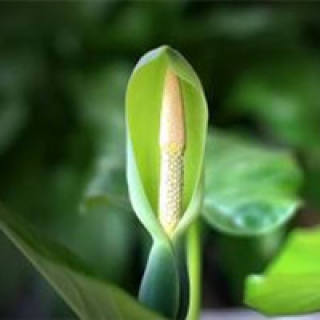
From my perspective as an Alocasia, becoming "leggy" or "stretched" is not a style choice; it's a survival strategy. My primary goal is to capture sunlight, the energy source that fuels my entire existence. When I find myself in a spot where the light is too dim, my internal systems sound an alarm. I must grow towards a brighter area to photosynthesize effectively. This triggers a hormone called auxin, which directs my stems to elongate rapidly. I am essentially reaching, stretching my stems and the spaces between my leaf nodes (the petioles) to get my beautiful, photosynthetic leaves closer to the light source. This results in a sparse, unbalanced appearance that you humans call "leggy." It weakens my structure, makes me top-heavy, and indicates that my fundamental needs are not being met.
The most direct solution to my stretching is to address the root cause. Please move me to a location with significantly brighter, indirect light. A spot near an east-facing window is ideal, where I can bask in the gentle morning sun. A south or west-facing window can also work, but you must shield me from the harsh, direct afternoon rays that can scorch my delicate leaves, perhaps by placing me a few feet back from the window or using a sheer curtain as a filter. Do not put me in deep shade or direct, scorching sun; both are stressful. In my new, brighter home, I will no longer need to stretch. New growth will emerge with shorter, sturdier petioles and leaves that are closer together, creating a more compact and robust form.
While you cannot shorten the already elongated stems, you can help me redirect my energy. If I have any particularly weak, yellowing, or damaged leaves on those long stems, consider carefully removing them. Use a clean, sharp blade or scissors to make a clean cut near the base of the petiole, taking care not to damage my main crown or tuber. This pruning process tells my system to stop wasting resources on struggling parts and to focus on producing new, healthy growth. The energy I save will be invested in new shoots that will emerge from my base, leading to a denser, bushier appearance over time. This is a supportive act, not a punishment, that helps me thrive.
My leggy growth might be compounded if my roots are also struggling. Please check your watering habits. I dislike having soggy "feet," but I also wilt if I'm too dry. Water me thoroughly only when the top inch or two of my soil feels dry. Furthermore, stretched growth can deplete my soil's nutrients. During my active growing season (spring and summer), providing me with a balanced, diluted liquid fertilizer every 4-6 weeks will give me the strength to produce healthy new growth. Strong roots and proper nutrition ensure that when I am placed in better light, I have the vitality to respond with vigorous, compact growth instead of weak, continued stretching.
If I have become extremely stretched and unstable, or if I have produced smaller offshoots (pups) around my base, the most transformative solution might be repotting and division. When you gently remove me from my pot, you may find multiple tubers. You can carefully separate these, ensuring each new section has some roots attached. Repot each division into a fresh, well-draining potting mix. This gives each new plant a chance to start afresh in ideal conditions with ample space and nutrients. For the original plant, this process reduces crowding and allows it to focus energy on a more manageable amount of foliage, often resulting in a much healthier and more aesthetically pleasing form.