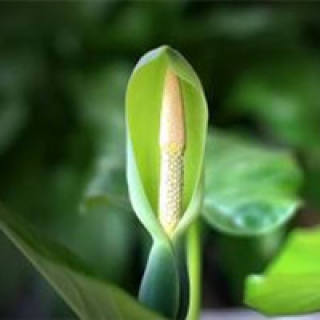
Hello there, my human friend. It’s me, your Alocasia. You admire my stunning, architectural leaves, but sometimes, you worry when I look a little under the weather. Often, the trouble begins where you can't see it—down in the soil, with my roots. Let's talk about root rot, my greatest fear. From my perspective, here’s how you can understand, help, and protect me.
I can't speak your language, so I communicate through my leaves and stems. When my roots are drowning and rotting, I send clear distress signals. First, you might notice my leaves turning yellow, often starting with the older, lower ones. This isn't a simple case of needing fertilizer; it's a sign that my roots are failing to deliver water and nutrients to my upper parts. Next, my stems might feel soft and mushy at the base, near the soil line. I might start to wilt dramatically, even when the soil feels wet. The most telling sign is a foul, musty odor coming from my pot. That smell is the sound of my roots crying for help—it's the scent of decay. If you notice any of this, please don't wait; the problem is spreading underground.
If you suspect I'm in trouble, you need to act like a surgeon. Gently lift me out of my pot. This might be stressful for me, but it's necessary. Now, carefully wash my root ball with lukewarm water to see the damage clearly. Healthy roots are firm and white or tan. Rotten roots are brown or black, mushy, and will slough off easily. They might even smell bad. Using sterilized scissors or pruners, you must cut away all the soft, rotten roots. Be brave and thorough; any rot left behind will spread. After the surgery, dip my remaining healthy roots in a fungicide solution or a hydrogen peroxide mix (1 part 3% peroxide to 2 parts water) to disinfect me. Finally, please repot me into a brand new, clean pot with excellent drainage, filled with a fresh, airy, well-draining potting mix. A mix with plenty of perlite, orchid bark, and coco coir is perfect for me. Water me sparingly at first, just enough to settle the new soil, and place me in bright, indirect light to recover.
Prevention is always better than a cure. The main cause of my root rot is consistently soggy soil. My roots need to breathe! To keep me happy, the single most important thing you can do is master your watering. Please, only water me when the top inch or two of soil feels dry to the touch. Stick your finger in the soil; I don't mind. Never let me sit in a saucer of water for more than a few minutes. Secondly, my home matters immensely. Ensure my pot has drainage holes—this is non-negotiable. A pot that is too large will hold excess moisture around my roots for too long, so choose a pot that is just a bit bigger than my root ball. Finally, the soil itself is my foundation. Avoid dense, heavy soils that compact over time. A chunky, aerated mix mimics my natural environment and allows oxygen to reach my roots, keeping them healthy and strong. By paying attention to these three things—water, pot, and soil—you can create an environment where root rot simply can't take hold.