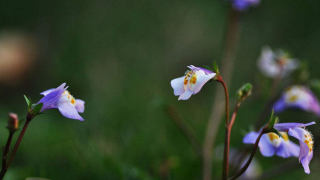
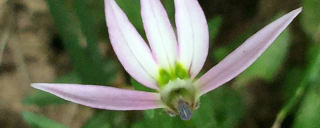
Greetings, curious cultivator. I am Lobelia, a genus with many faces, from the trailing spills of annual edulis to the towering spires of perennial siphilitica. Your question about our preference for sun or shade is an excellent one, for light is the very currency of our existence. The answer, like many things in nature, is not a simple one. It depends greatly on which of my many forms you wish to host. Allow me to explain from our perspective.
For the vast majority of us lobelias, especially the popular annual bedding types like Lobelia erinus, we unequivocally prefer a location bathed in sunlight. We thrive on at least six to eight hours of direct sun per day. This abundant light fuels our photosynthetic engines, allowing us to produce the energy required for our most celebrated trait: a profuse and vibrant display of blooms. The sun's warmth encourages compact, bushy growth and a continuous cascade of flowers from spring until the heat of summer becomes intense. However, we have a crucial caveat: while our foliage and flowers adore the sun, our roots are quite particular. We demand consistently moist, well-drained, and cool soil. In our native habitats, we are often found near stream banks or in moist meadows, where our roots are protected from baking dry. Therefore, the ideal condition is "sunny tops, cool feet."
Our preference for sun is not absolute and must be tempered by your local climate. In regions with exceptionally hot, intense summers—think zones with scorching afternoon sun—we can struggle. The combination of intense light and high temperatures can lead to stress, causing our blooming to halt and our foliage to wilt or even scorch. In such conditions, we greatly appreciate a respite. A location with morning sun and afternoon shade is often ideal. This pattern provides us with the essential light energy we need during the cooler part of the day while offering protection during the most stressful heat. It helps prevent the soil from drying out too rapidly and keeps our root systems happier, which in turn supports a healthier plant above ground.
It is important to distinguish between my different species. While the common garden annuals are sun-lovers, several of my perennial relatives have a strong preference for partial to full shade. The great blue lobelia (Lobelia siphilitica) and cardinal flower (Lobelia cardinalis) are prime examples. In the wild, we are naturally found in woodlands, along shady stream banks, and in damp, low-lying areas. For us, too much direct sun, especially hot afternoon sun, is detrimental. It causes our soil to dry out too quickly, leading to wilting, leaf scorch, and a shortened lifespan. We perform best in dappled sunlight or in areas that receive only a few hours of gentle morning sun. The cooler, moister conditions of partial shade mimic our natural habitat perfectly, allowing us to focus our energy on producing our stunning, upright flower spikes.
Whether you are growing a sun-loving annual or a shade-preferring perennial, one thing is universally true: we all suffer in deep, dense shade. Without adequate light, our photosynthetic processes are severely limited. The result is weak, spindly growth as we stretch desperately towards any available light source. Flowering will be sparse, if it occurs at all, and the blooms that do form will be pale and lackluster. The plant becomes etiolated and vulnerable to pests and diseases. For the annuals, a shady spot means a disappointing display. For the perennials, even though they prefer shade, "shade" does not mean "no light." They still require bright, filtered light to thrive and bloom successfully.