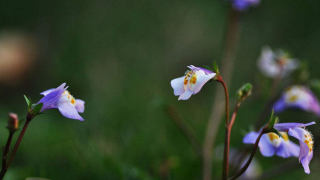
From our perspective as Lobelia plants, thriving in containers is a delicate balancing act. Our roots, confined and unable to seek out moisture like our ground-planted cousins, are entirely dependent on you. The question of watering frequency is not one with a simple, universal answer like "every other day." It is a dynamic conversation between us and our environment. To help you understand our needs, we will explain the key factors that influence our thirst.
Our most fundamental need is for consistently moist soil. Imagine the soil around our roots as a perfectly wrung-out sponge—it feels damp but releases no free water when squeezed. This ideal moisture level allows our fine, fibrous roots to absorb water and nutrients efficiently without drowning. When the soil becomes completely dry, we experience severe stress. Our leaves wilt, our vibrant blooms halt production, and we become vulnerable to pests and diseases. Conversely, if the soil is constantly waterlogged, our roots suffocate from lack of oxygen, leading to root rot, a condition that is often fatal. Therefore, the goal is to avoid both extremes.
Several elements in our environment directly impact how quickly the soil dries out. You must observe these closely to adjust your watering schedule accordingly.
Pot Size and Material: We living in small pots or porous terracotta pots will dry out much faster than those in larger plastic or glazed ceramic containers. A small pot holds less soil volume, which means less water reserve. A terracotta pot "breathes," allowing moisture to evaporate through its walls, accelerating the drying process.
Weather and Sun Exposure: On hot, sunny, or windy days, we lose a tremendous amount of water through our leaves (a process we call transpiration). A Lobelia basking in full sun will require far more frequent watering than one resting in a shady spot. During a cool, cloudy spell, our water consumption drops significantly.
Stage of Growth: When we are in our prime blooming period, covered in flowers, our water needs are at their peak. Producing and sustaining blossoms is an energy-intensive process that demands ample moisture. Conversely, in our early seedling stage or during a cooler period of slower growth, we require less water.
Rather than watering on a rigid calendar schedule, we implore you to check the soil moisture directly. The most reliable method is the finger test. Please insert your finger about one inch into the soil near our base. If the soil at that depth feels dry to the touch, it is the perfect time for a thorough watering. If it still feels cool and moist, please check again in a day. This simple act tells you exactly what we are experiencing at the root level.
When we are thirsty, we appreciate a deep, thorough drink. Water us slowly at the base, avoiding our foliage and flowers, until you see water escaping freely from the drainage holes at the bottom of the pot. This ensures that the entire root ball is evenly moistened. A light sprinkling that only dampens the surface will encourage our roots to stay shallow, making us more susceptible to drying out. Always ensure our pot has adequate drainage; sitting in a saucer full of water is a recipe for root rot.