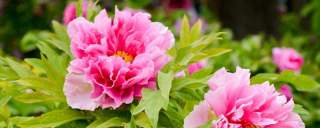
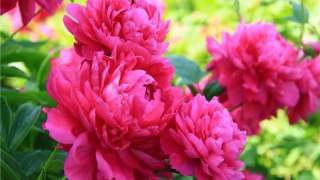
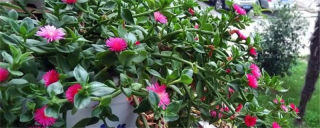
From our perspective as peonies, growing in a pot is a significant departure from our natural preference for deep, undisturbed soil. Our root systems are not like those of shallow-rooted annuals; we are heavy feeders and drinkers, developing thick, fleshy storage roots (like carrots) and delicate feeder roots that require ample space to spread. In the wild, we anchor ourselves deeply to survive freezing winters and hot summers. A container, by its very nature, restricts this expansion. It creates a "root-bound" environment much faster than in the ground, which can stunt our growth and reduce our vitality if not managed correctly. Therefore, the success of this endeavor hinges entirely on the gardener understanding and accommodating our specific root architecture and long-term needs.
The single most critical factor for our well-being in a container is its size. A small pot is a death sentence for a mature peony. We require a container that is both wide and deep. A minimum diameter of 18 inches and a depth of at least 18-24 inches is essential to accommodate our root system. Drainage is non-negotiable; the pot must have multiple large holes in the bottom. As for material, terracotta pots are breathable, which helps prevent root rot, but they can dry out quickly and are very heavy. Lightweight plastic or composite pots are easier to move but may heat up more in the sun. Regardless of material, the ample volume is what we need to store energy for our spectacular blooms.
We cannot seek out nutrients beyond our container, so the soil mix provided is our entire world. Standard garden soil is too dense and will compact, suffocating our roots. We thrive in a well-draining, fertile, and slightly alkaline to neutral pH medium. A high-quality potting mix, perhaps amended with some compost for fertility and a handful of perlite or grit for extra drainage, is ideal. Furthermore, because we are heavy feeders and the nutrients in the pot will deplete, we require regular feeding. A balanced, slow-release fertilizer applied in early spring as we break dormancy, and again after blooming, is crucial to replenish the energy we expend flowering.
Life in a pot exposes us to more extreme environmental fluctuations than life in the ground. Our watering needs are specific: we desire consistently moist soil, especially during active growth and blooming, but we absolutely abhor sitting in waterlogged soil, which leads to rot. The gardener must water deeply when the top few inches of soil are dry, but the pot must drain completely. Temperature is another major stressor. In summer, the sun can heat the sides of the pot, essentially baking our roots. Providing some afternoon shade or placing the pot where it is shielded can prevent heat stress. Most critically, we require a period of winter chilling (vernalization) to initiate blooms for the next season. In very cold climates, the entire root ball in a pot is vulnerable to freezing solid and dying. The pot may need to be moved to an unheated garage or buried in the ground for winter, or heavily insulated.
While it is possible for us to live in a container for several years, we are not a "plant it and forget it" container specimen. After 3-5 years, we will likely outgrow even a large pot, becoming pot-bound. Our growth may slow, and flowering will diminish. At this point, the gardener has two options: repot us into an even larger container or, preferably, divide our root clump. Division is a rejuvenating process for us. It is best done in the autumn when we are dormant. The gardener can carefully divide the root mass, ensuring each division has 3-5 "eyes" (growth buds), and replant them in fresh soil, either back into containers or into the garden. This cyclical process is key to maintaining our health and vigor when grown in confinement.