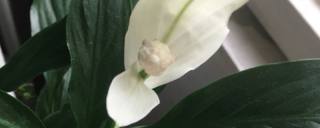
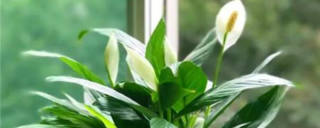
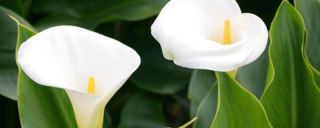
To understand why Peace Lily flowers turn green, we must first correctly identify its floral structures. What we commonly call the white "flower" is not a flower at all in the botanical sense. It is a specialized leaf called a spathe. The spathe's primary evolutionary function is to attract pollinators. Its bright white color acts as a flag, guiding insects toward the true flowers, which are the tiny, clustered structures on the central spike, known as the spadix. The spadix is typically a creamy or off-white color. Therefore, when we discuss the "flower" turning green, we are specifically referring to the color change of the spathe.
The most common and completely natural reason for a green spathe is senescence, or aging. The brilliant white color of a new spathe is not permanent. As the spathe matures after it has been pollinated (or simply as time passes), the plant begins to reallocate resources. The white pigmentation is energetically costly for the plant to maintain. Once its primary role of attracting pollinators is complete, the plant allows the spathe to green up. This greening occurs because the spathe, being a modified leaf, starts to produce chlorophyll. Chlorophyll is the green pigment essential for photosynthesis. By turning green, the aging spathe transitions from a purely reproductive structure to a minor photosynthetic one, contributing a small amount of energy back to the plant before it eventually withers and dies. This is a normal part of the Peace Lily's growth cycle and is not a cause for concern.
Environmental conditions, particularly light intensity, can significantly influence the color of the spathe. Peace Lilies are adapted to the dappled light of forest floors. When placed in very low-light conditions, the plant may struggle to produce sufficient energy through photosynthesis in its standard green leaves. In response, the plant may induce chlorophyll production in the spathe earlier in its life cycle to increase its overall photosynthetic capacity. Essentially, the plant is making its "flower" work as an extra leaf to capture more light. Conversely, exposure to very high light levels can sometimes cause the white spathe to fade or develop green tinges as a stress response. If multiple new spathes emerge with a pale green or greenish hue instead of pure white, evaluating the light conditions is a key diagnostic step.
While less common than natural aging or light issues, the plant's nutritional status can play a role. An excess of nitrogen, a nutrient that promotes vigorous leafy green growth, can sometimes encourage the spathe to produce more chlorophyll. Fertilizers with a high nitrogen ratio (the first number in the N-P-K ratio) are designed to boost foliage. If a Peace Lily is receiving such a fertilizer, it might direct that energy toward greening the spathe. Furthermore, general plant stress, such as from inconsistent watering (both overwatering and underwatering), root-bound conditions, or extreme temperatures, can affect overall plant health and manifest in unusual ways, including affecting spathe color. A stressed plant may abort a flower spike prematurely or alter its development.
From the plant's perspective, a green spathe is often a logical adaptation. Your actions should be based on observation. If a single, older spathe is turning green while the rest of the plant is healthy and producing new green leaves, this is a natural process. You can simply enjoy the unique bi-color phase or snip off the aging spathe at its base near the soil line to encourage the plant to direct energy into new growth. If new spathes are consistently green, assess the light. Move the plant to a spot with bright, indirect light—avoiding direct sun which can scorch the leaves. If you suspect over-fertilization, flush the soil with water to dilute excess nutrients and adjust your fertilization schedule to a balanced, diluted fertilizer applied during the growing season. Always ensure proper watering practices, allowing the top inch of soil to dry out between waterings, and provide adequate humidity, as Peace Lilies are tropical plants.