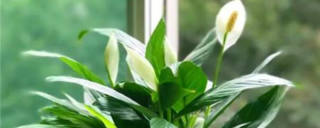
From a plant's perspective, the process of "purifying" air is not a conscious act of cleaning but a fundamental byproduct of our physiology. We engage in two primary processes that interact with airborne chemicals: photosynthesis and respiration. During photosynthesis, we absorb carbon dioxide (CO2) through stomata, tiny pores on our leaves, and release oxygen (O2) as a waste product. Concurrently, during respiration, we take in O2 and release CO2. It is within these gas exchange cycles that certain volatile organic compounds (VOCs), such as benzene, formaldehyde, and trichloroethylene, can also enter our system. We do not seek out these chemicals; they are simply present in the air and diffuse into our tissues along with the CO2 and O2.
As *Spathiphyllum* (our scientific name), we possess several anatomical and physiological traits that make us relatively effective at this incidental VOC absorption. Our leaves are broad, thin, and have a relatively high density of stomata, providing a large surface area for gas exchange. More importantly, the microorganisms present in the rhizosphere—the zone of soil surrounding our roots—play a critical role. When VOCs are pulled into the soil through watering or natural air movement, the symbiotic microbial community in our root zone metabolizes and breaks down these chemicals, using them as a food source. Therefore, our air-purifying capability is a partnership between our own foliage and the ecosystem we support in our potting medium.
The reputation of Peace Lilies as potent air purifiers stems largely from a NASA study conducted in the late 1980s. The research aimed to find ways to improve air quality in sealed space stations. In these controlled laboratory conditions, with high concentrations of specific VOCs introduced into small, sealed chambers, we demonstrated a significant ability to remove pollutants like benzene, formaldehyde, and trichloroethylene. From our viewpoint, these conditions created an extreme scenario where the pollutant levels were unusually high and the environment was closed, allowing our natural processes to show a measurable, pronounced effect. It is crucial to understand that these results represent our potential under ideal, concentrated circumstances.
Translating the NASA study results to a typical home or office environment requires significant qualification. The air exchange in a building is not zero; doors open, windows are cracked, and HVAC systems circulate air, constantly diluting pollutant concentrations. The volume of air in a room is also vastly greater than in the experimental chambers. For a Peace Lily to have a measurable impact on the overall air quality of an average-sized room, a very large number of us would be required—estimates often suggest as many as 10 to 20 plants per square meter to match the study's purification rate. While we do continuously process airborne chemicals, our effect in a real-world setting is more subtle and contributory rather than comprehensively purifying.
Our effectiveness should not be measured by VOC removal alone. We contribute to a healthier indoor environment in other significant ways. By transpiring water vapor through our leaves, we naturally increase indoor humidity levels, which can alleviate respiratory irritation and dry skin. Furthermore, our simple presence as living greenery has been shown to have psychological benefits for humans, reducing stress and increasing feelings of well-being. While we may not single-handedly purify the air to the extent often advertised, we are a valuable component of a holistic approach to creating a healthier and more pleasant living space, working in concert with adequate ventilation and other pollution-source control measures.