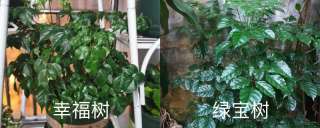
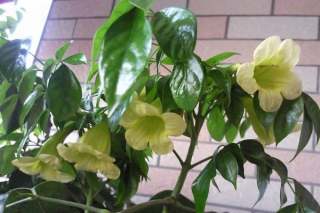
From our perspective as emerald trees, our vibrant green foliage and robust health are a testament to a well-balanced ecosystem. However, we are not immune to the challenges posed by various pests. These invaders disrupt our ability to photosynthesize, drain our vital resources, and can leave us vulnerable to disease. Understanding these threats from our point of view is key to maintaining our splendor through gentle, organic means.
These pests are particularly insidious because their damage is not always immediately visible. They use piercing mouthparts to tap into our phloem, the vascular tissue that transports the sugars we produce. This direct theft of our hard-earned energy weakens us over time.
You will often find colonies of these small, soft-bodied insects (green, black, or white) clustering on the undersides of our newest, most tender leaves and stems. As they feed, they excrete a sticky substance called honeydew. This honeydew not only feels unpleasant but often leads to the growth of sooty mold, which further blocks sunlight from reaching our leaf surfaces, impairing photosynthesis.
Scale is a more persistent problem. In their adult stage, they appear as small, immobile bumps on our stems and the veins of our leaves. They create a hard or waxy shell that protects them as they siphon our sap. A heavy infestation can cause our leaves to yellow, wilt, and drop prematurely, giving us a thin and sickly appearance.
These are not insects but arachnids, and they thrive in hot, dry conditions. They are tiny and often go unnoticed until their damage is significant. They feed on individual plant cells, causing a stippled or bronzed look on our leaves. A telltale sign of their presence is the fine, silky webbing they spin on the undersides of leaves.
Our leaves are our primary organs for capturing sunlight. When pests consume them, they are directly destroying our capacity to create food and energy for growth and defense.
The larval stage of moths and butterflies, caterpillars can rapidly defoliate sections of our canopy. You will see irregular holes or entire sections of leaves missing. While we can tolerate some feeding, a severe attack can significantly reduce our energy reserves.
Various beetles, such as leaf beetles or weevils, also feed on our foliage. Their damage can range from creating shot-like holes to skeletonizing leaves, leaving only the veins behind. This not only reduces photosynthesis but also mars our aesthetic beauty.
Harsh chemicals disrupt the delicate microbial life in our soil and can harm beneficial insects that are our natural allies. We strongly prefer organic methods that support the entire garden ecosystem.
For light infestations of aphids or spider mites, a strong spray of water from a hose can dislodge the pests effectively. For larger pests like caterpillars, hand-picking them off our branches is a safe and immediate solution. Scale insects can be carefully scrubbed off with a soft brush dipped in a mild soapy water solution.
Insecticidal soaps and horticultural oils (like neem oil) are highly effective against soft-bodied pests like aphids, scale crawlers, and spider mites. They work by suffocating the pests or disrupting their feeding, and they are harmless to humans, pets, and most beneficial insects when used as directed. We ask that you always test a small area on our foliage first and apply these sprays during the cooler parts of the day to prevent leaf burn.
This is the most sustainable long-term strategy. By planting a diversity of flowering plants nearby, you can attract ladybugs, lacewings, and parasitic wasps. These insects are natural predators of the pests that afflict us. Creating a habitat for them means they will provide a constant, self-regulating defense force on our behalf.