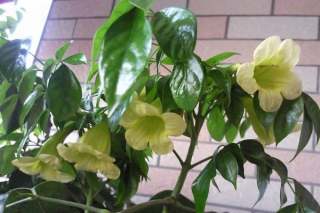
From my perspective as an Emerald Tree (likely a type of Thuja, like the Emerald Green Arborvitae), the question of watering frequency is fundamentally about the health of my roots. I am not a machine on a schedule; I am a living ecosystem. My roots need both water and oxygen to survive. When you water me, the water fills the spaces between the soil particles, and my fine root hairs absorb it. Afterward, gravity pulls excess water down, allowing air to move back into those spaces. This cycle of moisture and air is my lifeline. Root rot occurs when this cycle is broken. If the soil is constantly saturated, those air pockets remain filled with water. My roots, deprived of oxygen, begin to suffocate and die. They become soft, brown, and mushy, unable to absorb water or nutrients, and vulnerable to attack by soil-borne fungi like Phytophthora. Ironically, the first above-ground signs you might see—wilting, yellowing leaves—can mimic drought stress, tempting you to water even more and sealing my fate.
You cannot simply mark a day on the calendar to water me. My water needs are dynamic, changing with my environment. Here are the critical factors from my point of view:
Soil Composition and Drainage: This is the most important factor. If I am planted in heavy, compacted clay soil, water drains away very slowly, pooling around my roots for dangerously long periods. In contrast, a well-draining, loamy soil that is rich in organic matter provides the ideal balance, holding enough moisture for me to drink but allowing the excess to escape quickly. The pot I am in must have adequate drainage holes; without them, I am sitting in a bathtub.
Weather and Season: During the hot, windy, and sunny days of summer, I lose a tremendous amount of water through my foliage (a process called transpiration). My thirst is high. In the cool, damp, and shorter days of fall and winter, I am mostly dormant and require far less water. A warm, rainy week means I need no help from you, while a hot, dry spell means I will be grateful for a deep drink.
My Age and Establishment: If I am a newly planted tree, my root system is still confined to the original root ball. This small volume of soil can dry out very quickly, so I need frequent, attentive watering to help me establish myself in my new home. Once I am established (after a year or two), my roots have spread out, giving me access to a much larger reservoir of soil moisture, and I become far more drought-tolerant.
The only reliable way to know if I need water is to check the soil itself. Forget the schedule; become a detective. Please push your finger 2-4 inches into the soil near my base. What does it feel like?
The Finger Test: If the soil feels cool and slightly moist, like a wrung-out sponge, it is perfect. I have enough water and enough air. Do not water me. If the soil feels dry and crumbly to that depth, it is time for a deep, thorough watering. If it feels wet, muddy, or soggy, it is dangerously overwatered, and you must let it dry out significantly.
The Right Way to Water: When I am thirsty, please do not just sprinkle my surface. This encourages my roots to stay shallow, making me more vulnerable to drought. Instead, water me slowly and deeply at the base. Let the water soak down to a depth of 6-8 inches, encouraging my roots to grow deep and strong, which makes me more resilient. A soaker hose or a slow trickle from a garden hose is ideal. After watering, check the soil again in a few hours to ensure the moisture has penetrated deeply, not just created a puddle on top.