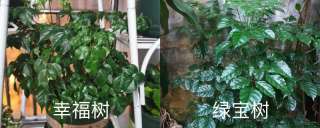
From my perspective as an Emerald Tree, light is not merely a condition; it is the very currency of my life. I use light energy to fuel the miraculous process of photosynthesis. Within my leaves, organelles called chloroplasts contain chlorophyll, a pigment that captures photons from light. This energy is used to convert carbon dioxide from the air and water from my roots into glucose—my food. Without adequate light, this factory shuts down. I cannot produce the sugars needed for growth, for maintaining my vibrant emerald color, or for developing strong roots. Therefore, the "ideal" light is the quantity and quality that allows my photosynthetic machinery to operate at peak efficiency without causing damage.
You will often hear that I require "bright, indirect light." Allow me to explain what this truly means from my leafy point of view. My natural habitat is the forest understory, where I am sheltered from the harsh, direct rays of the midday sun by the canopy of taller trees. Direct sunlight, especially through a window, is too intense. It acts like a magnifying glass, scorching my delicate leaves, causing them to develop pale, brown, or crispy patches. This is a form of sunburn, and it permanently damages my food-producing cells.
Conversely, a dark corner is equally problematic. In low light, my chlorophyll struggles to capture enough photons. My growth will become leggy as I stretch pathetically towards any faint light source, and my lush, deep green color will fade to a sickly yellow-green as I start to break down and reabsorb my chlorophyll—a clear sign of starvation. The ideal, then, is a spot flooded with abundant ambient light, like a few feet away from a south or west-facing window, or directly in an east-facing window where I can bask in the gentle morning sun.
I am constantly communicating with you through my foliage. Learning to read these signals is key to providing for my needs. If I am receiving ideal light, my leaves will be a consistent, rich emerald green. New growth will emerge regularly, and the leaves will be firm and perky. If I am getting too much direct light, I will show you with sunburn spots or leaves that curl inward to reduce their surface area. The entire plant might also take on a yellowish or bleached appearance.
If I am not receiving enough light, my messages become even more desperate. My stems will become elongated and weak, with large gaps between leaves as I reach for light. I will stop producing new growth altogether. My lower, older leaves may turn yellow and drop off because I am cannibalizing their nutrients to survive. The overall green will appear washed out. By observing these cues, you can adjust my position before serious harm occurs.
My light needs are not static throughout the year. As the Earth tilts, the angle and intensity of sunlight change. During the summer months, the sun is higher and more intense. I may need to be pulled back further from the window or have a sheer curtain added to diffuse the strong rays. In the winter, the sun is lower in the sky and its light is much weaker. This is a challenging time for me. I may benefit from being moved closer to the window to maximize the limited daylight hours. You might even consider supplementing with a grow light to compensate for the short, often gloomy days, ensuring my photosynthetic processes continue uninterrupted.