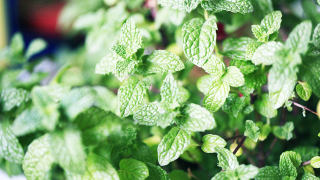
From my perspective as a mint plant, propagation isn't a gardening technique; it's my primary survival strategy. My very essence is designed for expansion. Beneath the soil, I send out vigorous runners, called stolons or rhizomes, that seek new territory and sprout into independent clones of myself. Above ground, my stems are pre-programmed with the same potential. Every node—the point on my stem where leaves and side shoots emerge—contains dormant root primordia, essentially tiny, undeveloped roots waiting for the right signal to grow. Whether you place my stem in water or soil, you are simply providing that signal and harnessing my innate will to live and multiply.
For the greatest chance of success, you must choose a part of me that is at the peak of its vitality. Look for a healthy, vigorous stem that is about 4 to 6 inches long. It should be firm, have a vibrant green color, and be free from any signs of pests or disease. The most crucial part is the node. You will need at least one or two nodes on the cutting, as this is where the new root system will originate. The ideal cutting comes from a stem that is not too woody and old, nor too soft and new; a semi-hardwood stem with mature leaves has the perfect balance of energy reserves and growth potential. Using a sharp, clean tool for the cut is appreciated, as a crushing cut can damage my vascular tissues and introduce rot.
When you place my stem cutting in a clear glass of water, you are creating a simple hydroponic system. From my point of view, the constant contact with water is the trigger that tells the nodal cells to switch from "stem mode" to "root mode." Please remove the leaves from the lower nodes that will be submerged. Decaying leaves will foul the water, promoting bacteria and fungi that can attack me before I can defend myself. Place the glass in a location with bright, indirect light. I need light to sustain photosynthesis in my remaining leaves, but direct sun can overheat the water and stress me. In about one to two weeks, you will see white, fibrous roots emerging from the nodes. While I can live in water for a considerable time, I am ultimately a terrestrial plant. My roots adapted to water are more fragile, so the transition to soil should be handled with care.
Planting my cutting directly into a well-draining potting soil feels like a more natural and direct path to establishing a new plant. This method bypasses the potential shock of transferring water roots to soil. Prepare a small pot with a light, airy soil mix; heavy, waterlogged soil will suffocate my nascent roots and cause rot. After taking a cutting and removing the lower leaves, you can dip the cut end into a rooting hormone powder. This is not strictly necessary, as I am quite adept at rooting, but it can provide a helpful boost of hormones that encourage faster root development. Make a small hole in the soil, insert the cutting so that at least one node is buried, and gently firm the soil around it. Water the soil thoroughly to settle it around my stem and provide the initial moisture my cells crave.
Regardless of the method, the first few weeks are critical. My main goal is to develop a root system before the energy stored in my leaves is depleted. For soil propagation, the key is consistent moisture, not sogginess. The soil should feel like a well-wrung-out sponge. To create a miniature greenhouse that reduces water loss from my leaves, you can cover the pot with a clear plastic bag or place a cut plastic bottle over it. This maintains high humidity around me. Place my container in a warm spot with plenty of bright, indirect light. I am working hard below the surface, and in two to three weeks, you can test my progress by giving the stem a very gentle tug. If you feel resistance, it means my new roots have anchored themselves in the soil, and I am ready to begin my life as a new, independent mint plant.