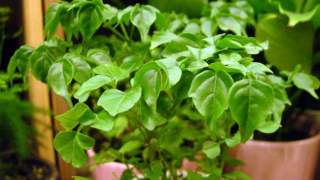
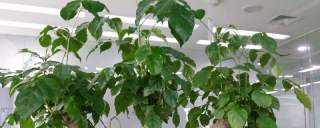
The common name "Emerald Tree" is ambiguous in horticulture and can refer to several different plants. For the safety of pets, it is crucial to identify the specific botanical species in question. The most likely candidates referred to as "Emerald Tree" are the Emerald Ripple Peperomia (Peperomia caperata) and various non-toxic small trees with emerald-green foliage. However, a significant point of confusion and danger arises with a popular plant often sold as an "Emerald Fern" or "Emerald Feather," which is scientifically known as the Asparagus Fern (Asparagus aethiopicus, formerly Asparagus densiflorus). Due to the common name overlap and the high likelihood of this plant being in homes, this analysis will focus on the Asparagus Fern as a primary concern, while also addressing the generally safe Peperomia.
If the "Emerald Tree" in question is actually the Asparagus Fern, it is considered toxic to both cats and dogs. The toxic principle in this plant is a group of chemicals known as sapogenins, which are steroid compounds found in various parts of the plant, with the highest concentration typically in the berries. Sapogenins are natural surfactants that can irritate the gastrointestinal tract. When a cat or dog chews on or ingests the leaves, stems, or especially the bright red berries of the Asparagus Fern, these sapogenins can cause a range of unpleasant symptoms. It is important to note that this plant is not a true fern but a member of the Asparagaceae family, closely related to the edible asparagus, and its toxic properties are distinct from true ferns, many of which are non-toxic.
Ingestion of the Asparagus Fern typically leads to gastrointestinal upset. The most common symptoms observed in both cats and dogs include vomiting, diarrhea, and abdominal pain. The plant's foliage can also cause mechanical injury; the small, leaf-like structures called cladophylls are actually modified stems that can be quite sharp, potentially leading to minor trauma or irritation to the mouth and throat. A less common but possible reaction is allergic dermatitis, which can manifest as skin inflammation, redness, and itching if the animal brushes against the plant repeatedly. While the toxicity is generally considered mild to moderate and is rarely life-threatening, the discomfort for the pet can be significant and veterinary attention is often necessary to manage the symptoms.
If the plant is correctly identified as an Emerald Ripple Peperomia (Peperomia caperata), the situation is much different. The American Society for the Prevention of Cruelty to Animals (ASPCA) lists plants in the Peperomia genus as non-toxic to both cats and dogs. This means that ingestion of this plant is not expected to cause symptoms of poisoning. While no plant material is intended for consumption by pets and eating large amounts could potentially cause mild stomach upset simply due to the irritation of eating something unfamiliar, Peperomia species are not known to contain any specific chemical compounds that are poisonous to cats or dogs. Therefore, they are widely regarded as a safe choice for households with curious pets.
Regardless of a plant's toxicity rating, the safest approach is to prevent pets from chewing on any houseplants. Even non-toxic plants can cause gastrointestinal blockage if large pieces are swallowed, and the use of pesticides or fertilizers on the plant could pose an additional risk. The most critical step is accurate plant identification, preferably by its scientific name. If you suspect your pet has ingested any part of an Asparagus Fern and is showing symptoms like vomiting or lethargy, you should contact your veterinarian or a pet poison helpline immediately. For confirmed non-toxic plants like Peperomia, monitoring your pet is still advisable, but the level of concern is substantially lower.