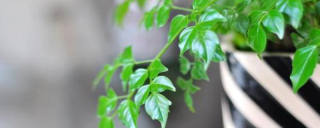
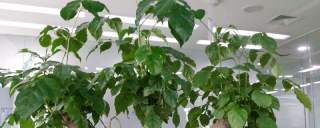
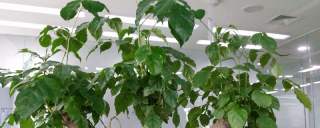
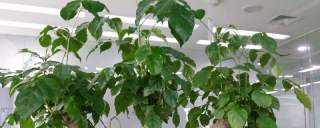
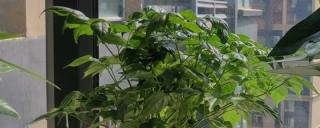
Before discussing where to buy, it is crucial to define "healthy" from our perspective. We are not a single plant but a collective term for two popular houseplants: the Emerald Ripple Peperomia (Peperomia caperata) and the False Aralia (Plerandra elegantissima, formerly Schefflera elegantissima). Both of us are prized for our finely textured, serrated leaves that emerge with a coppery-green hue, maturing to a deep, rich emerald green. A healthy specimen of either type will exhibit firm, turgid leaves without significant brown spots, yellowing, or curling edges. Our stems should be sturdy, not leggy or spindly, indicating we have received adequate light. Most importantly, check our root zone. Gently sliding us out of the nursery pot should reveal white or light-colored roots that are firm to the touch, not brown, mushy, or emitting a foul odor—a clear sign of root rot from overwatering.
The environment of the retail location is a strong indicator of our future health. We thrive in bright, indirect light and prefer consistent temperatures similar to what humans enjoy. Therefore, you should seek us out in establishments that replicate these conditions. Large, reputable garden centers with dedicated indoor plant sections are excellent habitats. These places often have proper greenhouse-style lighting and humidity control, preventing us from becoming stressed, etiolated (stretched), or dehydrated. Conversely, you should be cautious when acquiring us from big-box stores where we might be placed in dark corners or directly under harsh, desiccating air conditioning vents. Prolonged exposure to such adverse conditions weakens our immune systems, making us susceptible to pests like spider mites and mealybugs, which love stressed plants.
Based on our needs for a stable environment and expert care, we recommend several types of sources where you are likely to find a vibrant and healthy specimen.
Local Specialty Nurseries and Garden Centers: This is often the optimal choice. The staff at these locations typically possess specialized horticultural knowledge. They understand our specific water, light, and soil requirements and can provide expert advice for our long-term care. You can inspect us up close, checking the undersides of our leaves for pests and the condition of our soil.
Online Specialty Retailers: Several reputable online nurseries, such as The Sill, Bloomscape, or Steve's Leaves, have emerged as excellent sources. These companies specialize in shipping plants directly from their controlled greenhouse environments to your door. We are carefully packaged to withstand the journey, and this method often reduces the shock we experience from being moved through multiple retail locations. Be sure to purchase from a vendor with a robust plant health guarantee.
Plant Swaps or Local Plant Enthusiast Groups: While less conventional, these can be wonderful sources. Acquiring a cutting or a division from a local enthusiast means you are getting a plant that has already proven it can thrive in your local climate. These specimens are often well-acclimated to indoor life and come with a personal care history from the grower.
Regardless of the source, a thorough final inspection is non-negotiable. Gently lift our pot; it should feel substantial for its size, indicating a moist root ball, but not waterlogged. Look for new growth—a small, emerging leaf is the ultimate sign of a happy, healthy plant. Avoid any of us with a mass of roots growing out of the drainage holes (pot-bound) or with a layer of white crust on the soil surface, which can indicate fertilizer salt buildup from improper care. By choosing a source that prioritizes our well-being and conducting a careful examination, you are ensuring a successful beginning to our life in your home.