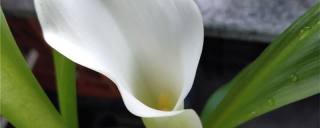
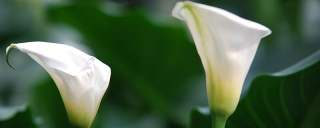
From our perspective as Calla Lilies, the question of water is the most critical element of our care. We are not true lilies but members of the Araceae family, and our needs are specific. Our native habitat is the marshy ground of South Africa, which has shaped our very being. This means we crave consistent moisture. Our roots are designed to draw water steadily from damp soil. However, and this is paramount, our rhizomes (the bulb-like structures from which we grow) are not aquatic. They must breathe. The ideal state for us is soil that feels like a well-wrung-out sponge – moist to the touch but with ample air pockets. When you provide this, our roots can efficiently uptake water and nutrients, supporting our elegant, trumpet-shaped flowers and lush, spear-shaped leaves.
Our water needs are not static; they follow a clear seasonal cycle tied to our growth and dormancy phases. Understanding this rhythm is key to keeping us healthy.
During our active growing and flowering season (typically spring and summer), we are at our thirstiest. The combination of producing blooms and new foliage, along with warmer temperatures and increased sunlight, means we are actively transpiring and using water. During this time, we appreciate a thorough watering as soon as the top inch or two of soil feels dry. Water us deeply until it runs freely from the drainage holes, ensuring the entire root ball is hydrated. Then, allow the pot to drain completely. Never let us sit in a saucer of water for more than a few minutes.
As our flowers fade and the days shorten in late summer or fall, our energy begins to retreat into our rhizomes. Our leaves will naturally start to yellow and die back. This is our signal that we are entering dormancy. At this point, you must drastically reduce watering. Allow the soil to become almost completely dry. This dry period is not neglect; it is a vital rest period that allows our rhizomes to harden off and prepare for the next growing cycle.
Root rot is our greatest fear. It is not merely a condition of "too much water," but a suffocation. When soil is perpetually waterlogged, the air pockets between soil particles fill with water, displacing the oxygen. Our roots cannot access the oxygen they need for respiration. They begin to suffocate and die. This creates a perfect environment for anaerobic fungi and bacteria, such as the dreaded *Pythium* and *Phytophthora*, to attack the weakened, dying roots.
From our point of view, the process is a silent, underground disaster. The rot starts at the root tips and spreads inward, moving toward the rhizome. You might first notice our leaves wilting or turning yellow, which is a confusing sign because it can also indicate thirst. But if the soil is wet and we are wilting, it is a clear distress signal that our roots are no longer functional. Once the rot reaches the rhizome, it becomes soft, mushy, and foul-smelling. At this advanced stage, it is often fatal.
Preventing root rot is far easier than curing it. You can create an environment where we can thrive by focusing on two key factors beyond just the amount of water you pour: drainage and soil structure.
First, ensure our home—whether a pot or a garden bed—has excellent drainage. A pot must have unobstructed drainage holes. For garden planting, choose a raised bed or amend heavy clay soil with generous amounts of compost, perlite, or coarse sand to improve its structure and drainage capacity.
Second, the soil itself is crucial. A heavy, compacted soil acts like a sponge, holding water for too long. We prefer a light, airy, peat-based potting mix that retains moisture but also allows excess water to drain away quickly. A mix formulated for African Violets or one containing perlite and bark is often ideal. This type of soil provides the consistent moisture we love while protecting our roots from the suffocating embrace of saturation.