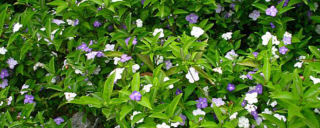
As a jasmine plant, my lush green leaves and intoxicatingly fragrant blossoms are my pride. But achieving that vibrant health is deeply connected to the moisture in the air around me—the humidity. While dedicated humidifiers are excellent, there are many ways my caretaker can create the perfect humid microclimate I crave, using simple, natural methods. From my perspective, here is what I need to thrive.
One of the most effective and straightforward methods is the pebble tray. When my pot is placed on a tray filled with pebbles and a shallow layer of water, something wonderful happens. The water slowly evaporates upward, enveloping my lower leaves in a gentle, consistent mist of humidity. Crucially, my pot sits on the pebbles, not in the water. This prevents my roots from becoming waterlogged and rotting, which is a fate worse than dry air. It’s a constant, low-level source of moisture that mimics the damp ground of my natural habitat.
I am a social plant. When I am grouped with other leafy companions, we create our own humid environment. Each of us releases water vapor through our leaves in a process called transpiration. When we are placed close together, our collective transpiration raises the humidity level in our immediate vicinity. It’s like having a small, living forest in your home where we all help each other stay hydrated. Just ensure we have enough space for air to circulate between our pots to discourage any fungal issues.
A fine mist of lukewarm water on my leaves feels like a refreshing morning dew. This provides an immediate boost in local humidity. However, timing is critical. My caretaker should only mist me in the morning. This gives my leaves ample time to dry completely before the cooler evening temperatures set in. Leaves that remain wet overnight are susceptible to unsightly spots and fungal diseases, which can damage my foliage and hinder my growth. Think of it as a quick, invigorating shower, not a soaking.
Where I am placed in your home makes a significant difference. Naturally humid areas like bright bathrooms or kitchens with good light are ideal locations for me. The steam from showers or cooking provides periodic, natural humidity spikes that I greatly appreciate. Alternatively, placing me near other sources of water, like an indoor fountain or even a fish tank, can also help. The key is to find a spot with bright, indirect light—direct hot afternoon sun can scorch my leaves and increase water loss, counteracting the benefits of the humidity.
I will communicate clearly if the humidity level is wrong. If the air is too dry, you will see the evidence on my leaves. The tips may turn brown and crispy, and my flower buds might dry up and drop before they ever have a chance to open. If the air is too stagnant and wet, you might see mold on the soil surface or yellowing leaves that feel soft. By observing these signals, my caretaker can adjust their methods, perhaps misting a little more or improving air circulation with a gentle fan.