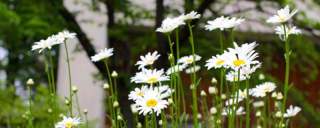
Gerbera daisies, belonging to the genus Gerbera within the extensive Asteraceae family, are not your average daisy. Native to South Africa, Asia, and Tasmania, these plants have been cultivated to produce the large, vibrant, and structurally complex blooms we see today. From a botanical perspective, their popularity is rooted in their remarkable inflorescence. What appears to be a single flower is actually a composite flower head, or capitulum, composed of hundreds of individual flowers. The central "eye" is a dense cluster of tiny disc florets, which are fertile and capable of producing seeds. The colorful "petals" surrounding the center are actually individual sterile flowers known as ray florets. This sophisticated structure creates a bold, symmetrical, and eye-catching display that is highly effective at attracting pollinators in nature and, consequently, human admirers in floral arrangements.
The immense popularity of Gerbera daisies is undeniably linked to their vast color palette, which is a direct result of plant pigments. Unlike many flowers with limited natural hues, Gerberas have been selectively bred to express a wide range of pigments. These include vibrant carotenoids (producing yellows, oranges, and reds), various anthocyanins (resulting in pinks, purples, and scarlets), and even chlorophyll (seen in some novelty green varieties). The sheer saturation and clarity of these pigments mean the flowers possess an almost luminous quality. This botanical characteristic allows them to fulfill a wide range of symbolic meanings—from the classic yellow symbolizing cheerfulness derived from bright carotenoids to the deep reds of anthocyanins representing passionate love—making them suitable for nearly every occasion.
From a horticultural and practical standpoint, the Gerbera daisy's popularity is boosted by its notable resilience and long vase life. The plant produces strong, upright, and leafless stems that are specially adapted to support the substantial weight of the flower head. These stems contain robust vascular tissues that efficiently transport water. Furthermore, the flower head itself has a waxy cuticle that helps reduce water loss through transpiration. This biological efficiency translates to exceptional longevity after being cut. When properly cared for, Gerbera daisies can remain fresh and vibrant for up to two weeks, far outlasting many other cut flowers. This durability makes them a reliable and cost-effective choice for florists and consumers alike, ensuring that their symbolic message of joy and innocence is delivered for an extended period.
The plant's natural growth habit contributes significantly to its commercial success and constant popularity. Gerbera plants are perennial in suitable climates and are prolific bloomers. Under optimal conditions of light and temperature, a single plant can produce multiple flower cycles throughout the year. This reliable and nearly continuous flowering nature makes them ideal for commercial cultivation in greenhouses, allowing growers to produce a steady supply regardless of the external season. This botanical trait ensures that Gerbera daisies are consistently available in flower markets around the world, making their symbolism and beauty accessible for birthdays, celebrations, and gifts any day of the year, unlike flowers that are strictly seasonal.