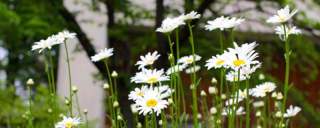
From my perspective as a Gerbera daisy, the vibrant, colorful bloom you admire is not just for your enjoyment; it is my ultimate reproductive goal. That flower head is a complex structure designed to attract pollinators, leading to the production of seeds. Once a flower is successfully pollinated, my entire energy system shifts. The hormonal signal changes from "bloom" to "ripen seeds." My resources—water, nutrients, and sugars produced through photosynthesis—are then diverted away from creating new flower buds and into developing the seeds within the spent flower head. This is a sensible, energy-efficient strategy for my survival in the wild. However, when you deadhead me, you are intercepting this signal. By removing the fading bloom before it can set seed, you are essentially tricking me. You are communicating that my reproductive mission has failed, prompting me to try again. This redirection of energy is the core reason why consistent deadheading results in more of the beautiful blooms you desire.
The method you use to remove my spent flowers is crucial for my health. A ragged tear or a cut too far down the stem can create an open wound vulnerable to bacterial and fungal infections, which can travel down the stem and potentially kill the entire crown. Therefore, precision is key. You must locate the exact point where the flower stalk emerges from the base of my foliage. My flower stalks are separate from my leaf stalks. Trace the stem of the spent bloom down through the cluster of leaves until you find its point of origin at the crown. Using sharp, clean pruning shears or scissors, make a clean cut as close to this base as possible without damaging the surrounding leaves or the crown itself. This clean cut heals quickly, minimizing stress and the risk of disease. Simply pinching off the flower head alone is insufficient, as it leaves a tall, unsightly stem that will rot, wasting my energy and posing a health risk.
To maximize your efforts and my flowering response, you need to understand the optimal time to deadhead. It is a balance. If you remove a flower too early, while it's still vibrant, you are cutting short its display and the opportunity for pollinators to visit (though this is less critical in a garden setting). More importantly, if you wait too long, the flower head may have already begun the seed-setting process, and I will have already started to divert energy. The ideal time is when the petals begin to wilt, fade, or droop significantly. The flower head will lose its tautness and start to look tired. At this stage, pollination is unlikely to have been successful, and I am just beginning to consider shifting resources. By deadheading at this precise moment, you prevent that energy shift and encourage me to produce a new bud from the same crown. Regularly inspecting my foliage for these fading blooms ensures you act at the right time.
After you perform a proper deadheading, the physiological changes within me are immediate. The site of the cut seals over, and the hormonal signal that was promoting senescence (aging) in that flower stalk is halted. The energy that was destined for a futile seed pod is now available for other processes. This surplus is redirected to my root system for strengthening and to the development of new vegetative and reproductive growth. Specifically, the axillary buds at my crown—the tiny, undeveloped buds waiting for a signal—are activated. Without the dominant signal from the old flower head, these buds receive the hormonal green light to develop. They will swell and eventually push up as new, strong flower stalks. This cycle of removal and redirection, when done consistently throughout my blooming season, keeps me in a perpetual state of attempted reproduction, which for you, translates into a continuous and abundant display of flowers.