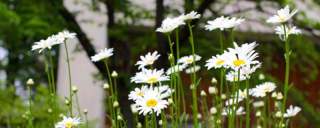
From our roots to our radiant petals, we Gerbera Daisies bring vibrant color to your world. However, our beauty is sometimes challenged by tiny invaders and silent diseases that threaten our health. To help you understand our struggles, here is a detailed account of the most common problems we face, spoken from our perspective.
Our tender new growth, especially the undersides of our leaves and the base of our flower buds, is a prime target for tiny, soft-bodied insects. Aphids cluster there, piercing our tissues and sucking out our vital sap. This not only weakens us, causing our leaves to curl and distort, but they also excrete a sticky substance called honeydew. This honeydew attracts sooty mold, a black fungus that coats our leaves, further blocking sunlight and reducing our ability to photosynthesize. Similarly, spider mites, almost invisible to your eye, weave fine silken webs on our foliage. They suck the chlorophyll from our individual leaf cells, leaving behind a stippled, yellowed appearance. If the infestation is severe, our leaves can turn completely brown and brittle. Whiteflies, which flutter up when you disturb us, also feed on our sap, leading to yellowing, stunted growth, and the same honeydew and sooty mold issues.
Some pests attack us from within. The larvae of leafminer flies burrow between the upper and lower surfaces of our leaves, creating unsightly, meandering white trails or "mines." While a few trails are mostly cosmetic, a heavy infestation can severely damage our leaf tissue, reducing our capacity to feed ourselves through photosynthesis. Thrips are another particularly frustrating foe. These slender insects rasp the surface of our petals and buds, then suck the oozing sap. This results in distorted, streaked, or discolored flowers that often fail to open properly. They also feed on our leaves, causing a silvery-white stippling. Thrips are vectors for viruses, making their control critical for our long-term health.
We thrive in bright conditions and prefer our water at the roots. When the air is too humid and stagnant, or when our foliage remains wet for long periods, fungal diseases can take hold. Powdery mildew appears as a white, powdery coating on our leaves and stems. It’s not just unsightly; it interferes with our physiological processes and can cause our leaves to yellow and wither prematurely. An even more aggressive foe is Botrytis cinerea, or gray mold. This fungus thrives in cool, wet conditions and typically attacks our aging flowers or any damaged tissue. It presents as a gray, fuzzy growth that can quickly cause our flower heads to rot and collapse. If unchecked, it can spread to our crown and lead to our complete demise.
The most dangerous problem we can face is root and crown rot, often caused by fungi like Pythium or Phytophthora. This usually stems from our environment, specifically from being planted in poorly draining soil or from being over-watered. When our roots are constantly waterlogged, they cannot breathe and begin to decay. You might notice our lower leaves wilting and turning yellow or brown, even when the soil feels wet. The base of our stems, at the crown, may become soft, mushy, and darkened. This condition attacks our very foundation, preventing us from taking up water and nutrients. Unfortunately, by the time above-ground symptoms are obvious, the damage below the soil is often extensive and frequently fatal.