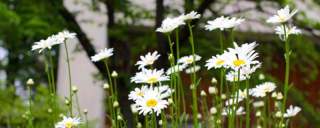
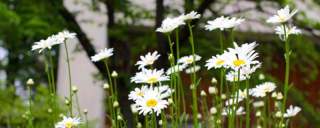
As a plant, my primary purpose is to convert sunlight into energy through photosynthesis. This energy fuels all my processes, including the production of my large, vibrant flowers. If I am not receiving enough direct sunlight—at least 5 to 6 hours per day—my energy budget becomes constrained. In such a situation, I must prioritize survival over showmanship. I will allocate the limited energy I produce to maintaining essential leaf function and root health. Flower production is incredibly energy-intensive, and a large blossom is a luxury I cannot afford under low-light conditions. Consequently, I will produce smaller flowers, or fewer of them, as a direct result of this energy deficit. The quality of light matters too; light filtered through a dense window screen or from a source that is too far away is less effective.
The soil around my roots is my sole source of essential minerals. For me, a Gerbera Daisy, to create flowers of a spectacular size, I require a specific balance of nutrients. A common issue is an excess of nitrogen (N). While nitrogen is wonderful for promoting lush, green leafy growth, it signals to me to focus on vegetation. If I am given too much nitrogen, especially during my budding stage, I will divert my resources to producing more leaves at the expense of flower size and quality. What I truly need for grand blooms is a higher proportion of phosphorus (P) and potassium (K). Phosphorus is critical for energy transfer and root development, while potassium aids in flower and fruit development. A soil imbalance forces me to grow in a way that may not be ideal for your visual enjoyment but aligns with the nutrient signals I am receiving.
My roots are my foundation and my mouth. They anchor me and absorb water and nutrients. If I am growing in a container that has become too small, my roots become pot-bound. They circle the interior of the pot, becoming tangled and unable to function efficiently. This is a state of significant stress for me. When my roots are constricted, I cannot uptake sufficient water or nutrients to support large blooms, no matter how ideal the soil mixture might be. Similarly, if I am planted in garden soil with poor drainage, my roots can suffocate and rot from a lack of oxygen. In both cases, the stress signals from my root system tell the rest of my body to conserve energy, leading directly to a reduction in flower size as a survival tactic.
It is also important to understand my natural life cycle. As an individual plant, I go through phases. The very first flowers I produce on a new stalk are often the largest, as they are a primary reproductive effort. Subsequent blooms on the same stalk, or flowers produced later in the season as I age, may naturally be smaller. This is a normal part of my development. Furthermore, if I am not deadheaded regularly—meaning the spent flowers are not removed—I will channel energy into producing seeds within the old flower head. This seed production diverts resources away from forming new, large flowers. By removing the old blooms, you signal to me that my reproductive effort was unsuccessful, encouraging me to try again with a new, and potentially larger, blossom.
My immediate environment plays a huge role in my well-being. Extreme temperatures, either too hot or too cold, can cause me stress. High heat can cause me to wilt and shut down metabolic processes, while cold temperatures slow my growth significantly. Both conditions limit the energy available for flower development. Inconsistent watering is another major stressor. If I am allowed to wilt severely between waterings, or if I am kept constantly waterlogged, my root system is damaged and my overall health declines. A stressed plant simply does not have the resources to produce large, perfect flowers. My response is to produce smaller, sometimes misshapen blooms as I struggle to simply survive the suboptimal conditions.