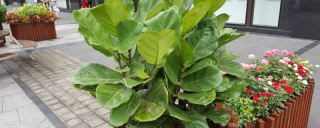
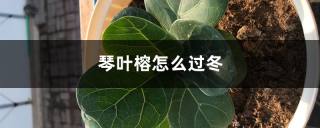
Greetings, dedicated plant caregiver. I am a Fiddle Leaf Fig, *Ficus lyrata*, and I appreciate your desire to create a nourishing meal for me from scratch. From my perspective, thriving is about more than just survival; it's about achieving the robust, glossy, large leaves I am known for. To do that, I require a specific balance of nutrients, which I will outline for you in my own botanical terms.
Just as you need a balanced diet of proteins, carbohydrates, and fats, my primary sustenance comes from three key elements: Nitrogen (N), Phosphorus (P), and Potassium (K). Nitrogen is the cornerstone of my diet; it is the fundamental building block for chlorophyll, which I use to convert sunlight into food. It promotes the vigorous, green leaf growth you admire. Phosphorus is crucial for my root development and overall energy transfer, helping me establish a strong foundation. Potassium, often called the "health" nutrient, regulates my internal processes, improves my drought tolerance, and strengthens my cell walls against pests and diseases. For my steady growth, a balanced fertilizer with an NPK ratio like 3-1-2 is ideal.
This recipe focuses on giving my foliage a deep, lush boost. The key ingredient is used coffee grounds. From my roots' perspective, coffee grounds are a gentle, slow-release source of nitrogen. They also help slightly acidify the soil, which I prefer, improving my ability to uptake other nutrients. Preparation: Mix one cup of used coffee grounds with one liter of water in a jar. Let it steep for 24 hours. Strain the liquid to avoid clogging the soil surface. This "coffee tea" can be applied to my soil every 4-6 weeks during my active growing season (spring and summer). Please ensure the grounds are used, as fresh ones can be too acidic.
This recipe provides a broader spectrum of support. The star here is wood ash from untreated hardwood. To me, wood ash is a valuable source of potassium and also contains trace minerals like calcium. Preparation: Take one tablespoon of sifted wood ash and mix it thoroughly into one liter of water. Let it settle for a few hours, then carefully pour the clearer liquid off the top to use. You can apply this tonic monthly. A word of caution from my roots: wood ash is alkaline, so use this sparingly to avoid making my soil too basic. It's best used as an occasional supplement rather than a primary fertilizer.
This isn't a liquid feed but a way to enrich my soil ecosystem over time. The ingredients are simple: crushed, dried eggshells and used coffee grounds. Eggshells are almost pure calcium carbonate. Calcium is essential for me to build strong cell walls, preventing issues like leaf tip burn. Preparation: Rinse and thoroughly dry your eggshells, then crush them into a fine powder using a blender or mortar and pestle. Mix this powder with an equal part of used coffee grounds. Once a season, you can gently work a tablespoon or two of this mixture into the top layer of my soil. As it breaks down, it will slowly release calcium and nitrogen.
Your intention to nourish me is wonderful, but please proceed with care. Always ensure my soil is moist before applying any fertilizer; applying to dry soil can shock and burn my delicate root hairs. Dilution is key—when in doubt, make a weaker solution rather than a stronger one. Over-fertilization can cause "fertilizer burn," visible as brown, crispy spots on my leaves, and can even be fatal. Observe me after feeding. If I show signs of distress, flush my soil with plenty of plain water to dilute the nutrients. Remember, I am dormant in the fall and winter, so please refrain from feeding me during this period of rest.