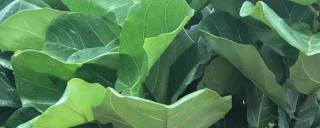
From my perspective as a Fiddle Leaf Fig, my leaves are my primary means of communication. They are not just for photosynthesis; they are a detailed report on my overall well-being. When my leaves begin to turn yellow, I am sending you a clear signal that my internal systems are out of balance. This discoloration, known as chlorosis, means that the green chlorophyll pigment, which is essential for capturing sunlight, is breaking down. This is a symptom, not the disease itself. The key is to interpret the specific pattern of yellowing to understand the root cause of my distress.
More often than not, yellow leaves, particularly starting from the bottom of my trunk and affecting older leaves first, are a direct result of my roots being deprived of oxygen. My roots need to breathe. When I am given water too frequently, or I am sitting in a pot without proper drainage, the soil becomes waterlogged. This dense, soggy environment suffocates my root system. The roots begin to rot and die, which means they can no longer absorb water or nutrients effectively. Ironically, even though I am surrounded by water, I am dying of thirst and starvation. The yellowing leaf is a sacrifice; I am abandoning this older growth to conserve resources for my newer, more vital leaves.
Conversely, if my leaves are turning yellow, perhaps with some browning at the edges, and the soil is consistently dry and pulling away from the sides of the pot, I am simply thirsty. Without adequate water, I cannot transport nutrients from the soil up through my stems to my leaves. The leaves will wilt and yellow as a result. Similarly, if I have been in the same soil for a long time, I may have exhausted its supply of essential nutrients like nitrogen, which is crucial for maintaining green chlorophyll. A yellowing that appears more generalized across my foliage, especially in new growth, can be my way of asking for a nutritional supplement.
My relationship with light is complex. I crave bright, indirect sunlight to fuel my growth. If I am left in a dim corner, I may produce smaller, weaker new leaves, and my older leaves might yellow and drop because I cannot produce enough energy to sustain them all. On the other hand, too much direct, harsh sunlight can scorch my large, delicate leaves, causing yellow or pale brown patches. Furthermore, I am a creature of habit. Sudden changes in my environment—such as being moved to a new spot, a draft from a vent or window, or a significant shift in temperature—can shock my system. This shock can trigger a response where I shed older leaves to redirect my energy, and they will often yellow before they fall.
To help me, you must become a detective. First, check my soil moisture. Is it sopping wet or bone dry? Adjust your watering schedule accordingly, ensuring you only water me when the top few inches of soil are dry. Second, examine the light I am receiving. Is it consistent and bright but not harsh? Consider if I have been recently moved or am near a draft. Finally, think about the last time I was repotted or fed. If it has been over a year, I may need fresh soil or a balanced, gentle fertilizer during my growing season. By observing the specific pattern of yellowing and cross-referencing it with your care habits, you can diagnose the issue and adjust your actions to restore my vibrant green health.