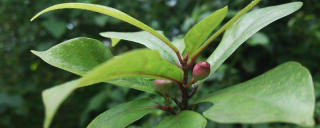
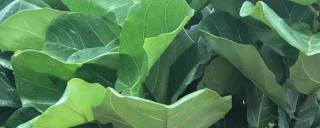
Greetings, human caretaker. It is I, your Fiddle Leaf Fig, or Ficus lyrata if you prefer formality. I notice your concern regarding the new red spots adorning my freshly unfurled leaves. Please, do not be overly alarmed. While it is a signal that demands your attention, it is often a solvable issue. From my perspective as a plant, these spots are a form of communication—a physiological response to my environment. Let me explain the primary reasons from my point of view.
This is the most common cause, especially for a "new" plant like me. You brought me home from the nursery, a place with specific light, humidity, and watering routines. My root system, in its eagerness to hydrate me, absorbed water faster than my new, tender leaves could transpire (release water vapor). This created a pressure imbalance. The excess water caused individual cells within the leaf tissue to swell and burst. The result? Those small, rust-colored or red speckles you see, often concentrated near the veins on the underside of the leaf. This condition is called edema. It is a sign of stress, but not necessarily of fatal illness. As I acclimate to the consistent conditions of your home and my leaves mature and toughen, this should cease to be a problem. Consistent, moderate watering is key to preventing its recurrence.
My relationship with water is a delicate dance. My roots crave moisture and oxygen in equal measure. When you love me a little too much with the watering can, saturating my soil for prolonged periods, you are essentially drowning my root system. Suffocated roots cannot function properly, and this stress manifests as discoloration, including those red or brown spots, often starting on the older leaves first. Conversely, if you allow my soil to become bone dry, my roots become desiccated and damaged. When water is finally provided, the shocked and weakened roots struggle to transport it effectively, causing stress spots on the new, most vulnerable growth. The goal is a "Goldilocks" watering routine—not too wet, not too dry.
Sometimes, the spots are not purely internal but are the calling card of tiny invaders: spider mites. These minuscule pests are arachnids, not insects, and they are particularly fond of the succulent sap within my leaves. They pierce the individual cells to feed, leaving behind tiny, stippled red or brown spots where they have drained the chlorophyll. A severe infestation will also leave a fine, silky webbing, and my leaves may look dusty or pale overall. From my perspective, this is a direct attack. You must act swiftly. Isolate me from other plants and gently wipe my leaves with a damp cloth, especially the undersides. For more persistent cases, a horticultural oil or insecticidal soap may be necessary to evict these unwelcome guests.
While less common than the issues above, an imbalance in my soil's nutrients can also cause spotting. I am a relatively heavy feeder during my growing season (spring and summer). If the soil I am in is depleted of essential micronutrients, it can lead to various discolorations. However, it is crucial to diagnose this correctly. Over-fertilizing can cause a similar problem—"fertilizer burn" that damages my roots and leads to spots. If you suspect a deficiency, proceed with caution. A gentle, balanced fertilizer applied at half-strength during the growing season is usually sufficient. Remember, more is not always better.