The primary factor determining the safety of tap water for cacti is its mineral content, specifically calcium (Ca) and magnesium (Mg), which contribute to what is commonly known as water "hardness." From the plant's perspective, these minerals are not inherently toxic. In fact, many cacti are native to limestone-rich soils and can tolerate, and may even benefit from, some calcium. The real danger lies in the long-term accumulation of these minerals, along with salts like sodium chloride, in the potting soil. As water evaporates from the soil surface, these minerals are left behind. Over repeated watering cycles, this buildup can raise the soil's pH, making it more alkaline. Most cacti prefer a neutral to slightly acidic soil pH. An excessively alkaline soil can chemically "lock up" essential nutrients like iron, making them unavailable for the cactus to absorb, leading to deficiencies even if the nutrients are physically present in the soil.
Municipal water supplies are treated with chlorine-based compounds to eliminate harmful pathogens. For a large, established cactus, the low concentrations of chlorine typically found in tap water are unlikely to cause immediate, visible damage. However, from the root's perspective, chlorine is a reactive chemical that can be stressful to the delicate root hairs and beneficial soil microorganisms that form a symbiotic relationship with the plant. Fluoride is another additive in some water systems that can be problematic for certain sensitive plants. While cacti are generally less sensitive to fluoride than, for example, spider plants or dracaenas, prolonged use of fluoridated water can contribute to tip burn or chlorosis (yellowing) in some species. The plant's response is a sign of cellular-level toxicity where these chemicals interfere with metabolic processes.
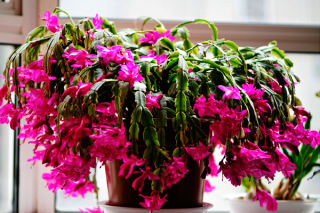
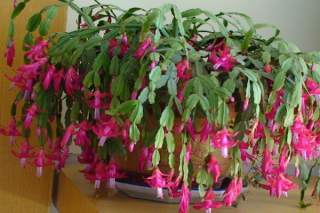
Not all cacti will react to tap water in the same way. The plant's tolerance is highly species-dependent. Cacti native to limestone-based deserts (e.g., some Mammillaria or Echinocactus species) will be far more tolerant of hard water than those native to acidic, granite-based environments (e.g., many epiphytic cacti like Schlumbergera, the Christmas cactus). A young seedling or a plant that is already stressed from overwatering, insufficient light, or pest infestation will be much more vulnerable to the secondary effects of tap water, such as nutrient lockout. A healthy, mature cactus in a large pot with excellent drainage may show no adverse effects for years, as the larger soil volume dilutes the mineral accumulation.
If tap water is the only option, the plant can be protected through specific cultivation practices. The most effective method is to ensure thorough drainage and periodic flushing of the soil. This means watering the cactus until water flows freely from the drainage holes, which helps dissolve and wash away some of the accumulated salts. This "flush" should be done every fourth or fifth watering. Using a potting mix with a high proportion of inorganic materials like perlite, pumice, or coarse sand will improve drainage and aeration, preventing water from stagnating and concentrating minerals around the roots. Repotting the plant with fresh soil every two to three years is also crucial to physically reset the mineral content of the root environment. For those with very hard water, a simple mitigation technique is to fill a watering can and let it sit uncovered for 24 hours. This allows much of the chlorine to dissipate into the air, reducing the chemical stress on the plant's root system and soil biome.