First, let me clarify a common misconception: I am not a true cactus from the desert. My botanical name is Schlumbergera truncata, and I hail from the humid, tropical rainforests of Brazil. I grow as an epiphyte, meaning I naturally live perched on trees in the dappled light of the canopy, absorbing moisture and nutrients from the air and decaying leaf litter around my roots. This is the most critical concept for you to grasp. Treating me like a sun-loving, drought-tolerant desert cactus is the quickest way to make me unhappy. My needs are shaped by my native habitat—I prefer consistent moisture, bright but indirect light, and good humidity.
My relationship with light is delicate. I thrive in bright, indirect light. A north or east-facing window is ideal. Too much direct sun, especially the intense afternoon sun common in many parts of the USA, will scorch my leaves, turning them a pale, yellowish-red color. Conversely, too little light will result in weak growth and a reluctance to bloom. As for temperature, I am quite comfortable in the same range as you, between 65°F and 75°F (18°C - 24°C). However, to initiate the flower buds that make me so special, I require a period of cooler temperatures and longer nights. Starting in early autumn, provide me with 12-14 hours of uninterrupted darkness each night and temperatures between 50-60°F (10-15°C) for about 6-8 weeks. Avoid placing me near heat vents or drafty doors during this critical time.
This is where my tropical origins truly show. My soil should be kept evenly moist, but never soggy. A good rule is to water me thoroughly when the top inch of soil feels dry to the touch. When you water, do so until water runs freely from the drainage holes in my pot, but please, never let me sit in a saucer of water. Root rot is a fatal condition for me. During the active growing season (spring and summer), I will need more frequent watering. In the fall and winter, especially during my bud-setting period, you can reduce watering slightly. I also appreciate humidity. In the dry winter air typical of many American homes, you can place my pot on a tray of pebbles filled with water (ensure the pot is not sitting directly in the water) or occasionally mist my leaves.
My roots need to breathe, so a heavy, moisture-retentive garden soil is a death sentence. I require a very well-draining, acidic potting mix. A commercial potting mix formulated for orchids or bromeliads is excellent because it often contains bark and perlite. You can also create a suitable blend by mixing standard potting soil with perlite or orchid bark in a 1:1 ratio. As for food, I am not a heavy feeder. During my growing season (spring and summer), feed me monthly with a balanced, water-soluble fertilizer (such as a 10-10-10 formula) diluted to half-strength. Stop fertilizing in late summer and autumn to allow me to prepare for my blooming cycle.
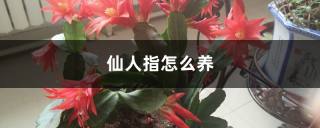
My flowers are my pride, and achieving a spectacular display hinges on the autumn conditions I described earlier. The combination of long nights (undisturbed by artificial light), cool temperatures, and reduced watering is the signal I need to set buds. Once the buds appear, you can return me to a warmer spot with normal watering. Be careful not to move or rotate the plant excessively during this bud stage, as the buds can drop prematurely due to stress. After the blooming period, a rest is welcome. You can prune me lightly by pinching off a few segments to encourage a bushier growth habit for the next year.