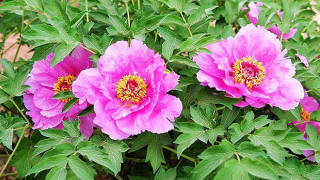
Greetings, fellow sun-gatherer. From my roots to my blossoms, I will share the secrets of what truly nourishes us. The right sustenance, given at the right time, is what transforms a simple green bush into a breathtaking spectacle of blooms. Here is what we peonies need to thrive.
Our primary desire is not for constant, heavy feeding, but for a balanced and timely meal. The three key elements we seek are Nitrogen (N) for strong, healthy leaf and stem growth, Phosphorus (P) for developing robust root systems and, most importantly, immense flowers, and Potassium (K) for overall plant health and disease resistance. We also have a particular fondness for calcium and trace minerals. A balanced, organic approach is always best, as it feeds the soil ecosystem that supports us, rather than just forcing a quick, weak burst of growth.
As we break dormancy and our red shoots push through the soil in early spring, this is the most crucial time to feed us. We are using immense energy to produce stems, leaves, and flower buds. A fertilizer lower in nitrogen and higher in phosphorus is perfect at this stage. Look for a ratio like 5-10-5 or a similar "bloom booster" formula. Alternatively, a generous helping of well-rotted compost or manure worked gently into the soil around our base (but not touching our crowns) provides a gentle, steady release of nutrients. This spring meal directly fuels the spectacular show you are waiting for.
Once our magnificent flowers have faded, please do not forget about us. The energy expenditure of blooming is immense. While we do not need a full meal, a light snack helps us recover. This is the time to apply a balanced, low-dose fertilizer or simply a top-dressing of compost. This post-bloom feeding helps us photosynthesize efficiently throughout the summer, storing energy not for this year's flowers, but for next year's. The buds for next spring's display are actually formed within our roots shortly after this year's show ends.
Please, avoid the temptation of high-nitrogen fertilizers. They encourage an overabundance of weak, soft foliage that is susceptible to diseases like botrytis and can actually inhibit flower production. You might get a fantastically large green bush, but with very few blooms. Also, never fertilize us late in the season (after mid-summer). Late feeding stimulates tender new growth that will be killed by the first frost, weakening us unnecessarily as we prepare for our winter dormancy.