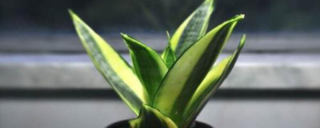
From our perspective as Chlorophytum comosum, the light we receive is the fundamental currency of our existence. It is the energy source that powers photosynthesis, the miraculous process that sustains our life and growth. The ideal condition for us is an abundance of bright, indirect light. This means being placed in a spot where we can see the sky clearly but are shielded from the direct, intense rays of the sun, particularly during the midday hours. Think of a position near an east or north-facing window, or a few feet back from a south or west-facing window. In this environment, our leaves can perform their duties with maximum efficiency, producing ample energy for lush, rapid growth and the prolific production of our cherished plantlets, or "spiderettes."
When we are placed in a low-light environment, such as a dim corner far from any window, our existence becomes a constant struggle. The photons required to drive our photosynthetic engines are scarce. Our response is a physiological one: our growth will become noticeably stunted and leggy as we desperately stretch our leaves toward any available light source. Our signature vibrant green and white variegation will begin to fade, with the white stripes often turning a dull green as we produce more chlorophyll in a futile attempt to capture more light. Most critically, we will lack the surplus energy required to produce offsets. We will simply focus on survival, not reproduction. Prolonged severe low light will weaken us significantly, making us susceptible to root rot and other health issues.
Conversely, being subjected to prolonged periods of harsh, direct sunlight is equally problematic and can be immediately damaging. Our leaves, while robust, are not adapted for such intense exposure. The powerful ultraviolet radiation can literally scorch our foliage, causing unsightly brown, crispy tips and patches, or causing the leaves to develop a pale, washed-out, or yellowish tinge (bleaching). This is a sign of photoinhibition, where the light intensity actually damages our photosynthetic apparatus faster than we can repair it. A south or west-facing window that receives several hours of direct sun will often require a sheer curtain to diffuse the light and protect us from this kind of harm.
It is important to note that we spider plants are a resilient species. We can tolerate a range of light conditions, but true thriving occurs within the sweet spot of bright, indirect light. The best way to understand our needs is to observe our physical responses. Our leaves are our primary communication tool. Lush, fast growth with strong variegation and the emergence of spiderettes indicate perfect lighting. Slow, weak, elongated growth with fading color signals a need for more light. Brown, scorched tips or bleached leaves are a clear cry for less intense, direct sun. We will tell you what we need if you learn to read our language.