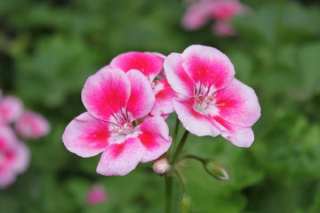
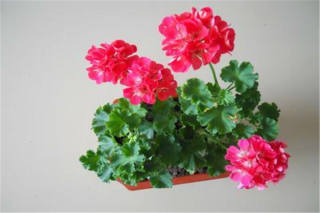
From my perspective as a geranium plant, light is my primary source of energy. It is the very fuel that powers the entire process of photosynthesis, which in turn creates the sugars I need to grow and, most importantly for you, to produce those vibrant blooms you love. If I am not blooming, the first thing to check is my light situation. I crave bright, direct sunlight for at least 4-6 hours a day. A south or west-facing window is my ideal spot indoors. If I'm placed in a dim corner, my energy production plummets. My survival instinct kicks in, and I will direct all my limited energy into simply maintaining my green foliage rather than the energetically expensive process of flowering. Without ample light, I simply cannot muster the resources to bloom again.
My relationship with water is a delicate dance. My roots need moisture to transport nutrients, but they also desperately need oxygen. Overwatering is a common mistake that suffocates my root system, leading to root rot. When my roots are damaged and struggling, I go into survival mode. My entire system is stressed, and blooming is the last thing on my mind; I am focused on not drowning. Conversely, if I am left completely parched for too long, I will become dehydrated. I will wilt and drop buds and flowers first to conserve my dwindling water supply for my core leaves and stems. The goal is consistent, moderate moisture. Water me thoroughly when my top inch of soil feels dry to your touch, then let the excess drain away completely. This cycle provides the perfect balance of drink and air that I need to thrive and rebloom.
While light and water sustain me, the right food encourages me to put on a spectacular floral show. The soil I came in has a limited supply of nutrients. Once I have used them up, I have nothing left to create new blossoms. A fertilizer high in nitrogen will only promote lush, green leaves at the expense of flowers. To bloom again, I need a fertilizer that supports the reproductive process. Look for a blend where the middle number (phosphorus) is higher, such as a 5-10-5 formula or one labeled specifically "Bloom Booster." Phosphorus is the key nutrient that directly supports the development of strong roots, abundant buds, and brilliant flowers. Feeding me with this specific blend every two to four weeks during my active growing season gives me the precise building blocks I require to produce another round of blooms for you.
You might see it as simply removing spent flowers, but to me, deadheading is a critical signal. When a flower fades and begins to form a seed head, my biological programming is to divert a massive amount of energy into seed production. This is my ultimate purpose from an evolutionary standpoint: to reproduce. If you remove the spent flower head by pinching or snipping it off, you interrupt this cycle. You are essentially telling me, "Your attempt to make seeds failed. Try again." In response, I will redirect my energy away from seed production and into creating new flower buds to try and achieve reproductive success. This practice of consistently deadheading not only keeps me looking tidy but actively tricks me into a continuous cycle of blooming rather than going to seed.