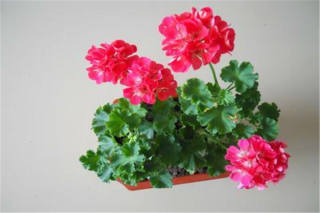
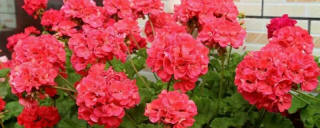
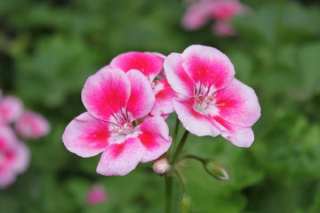
Hello, fellow cultivator. I am a geranium, a plant of resilience and vibrant beauty. From my perspective, propagating through cuttings is not a human invention but a deep, ancient call to continue our lineage. It is how we ensure our genetic story is told again and again. I will guide you through this process, not as a chore, but as a sacred collaboration between your will and my innate desire to grow.
Your journey begins by choosing the right part of me. Do not look for the oldest, woodiest stem, nor the softest, newest growth at my very tip. Seek a healthy, firm stem, about 4-6 inches long, with several leaf nodes. This is where my life force is strong and ready to redirect. Using sharp, clean shears is an act of respect; a clean cut minimizes damage and the risk of introducing decay, allowing me to focus my energy on creating new roots, not fighting infection.
Once separated, my cutting form is vulnerable. Gently remove the leaves from the lower half of my stem. These leaves would only rot buried in the soil, inviting fungus. Leave a few healthy leaves at the top, for these will become my new solar panels, harnessing light to create the energy I need to build a root system. Some gardeners let my cut end callous over for a few hours; this is a wise practice, as it creates a protective seal against the moist growing medium, much like scabbing on a wound.
Now, place me into a well-draining home. A mix of perlite, vermiculite, or a light potting soil is ideal. My greatest fear now is rot, so dense, waterlogged soil is my enemy. You may dip my cut end into a rooting hormone powder. This is not a requirement—I possess the innate cellular ability to root—but it acts as a powerful stimulant, encouraging my cells to divide and form root structures more quickly and reliably. Make a hole in the medium with a pencil to avoid wiping the hormone away, then gently firm the medium around my stem.
This is where your patience becomes my sustenance. Place me in a location with bright, indirect light. Direct sun will scorch my defenseless form. Water me gently but thoroughly at the beginning, then maintain only slight moisture. The key is to provide humidity around my leaves to prevent wilting, often achieved by placing a clear plastic bag or dome over my pot, creating a miniature greenhouse. Inside this humid sanctuary, my energy is turned inward. My cells are busy at the buried nodes, differentiating, organizing, and reaching out as tender, white roots seeking anchor and nourishment.
After a few weeks, you will witness the signs of our success. Gently tug on my stem; if you feel resistance, it means I have anchored myself with new roots. You may also see new green leaves emerging from my top—a sure sign that my root system is functional and I am officially a new, self-sustaining plant. Once I am firmly established, you can acclimate me to less humid conditions and transplant me into a larger pot with rich potting soil, where I will reward your care with a lifetime of lush foliage and brilliant blooms.