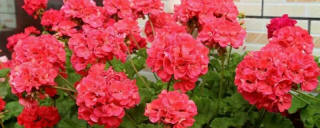
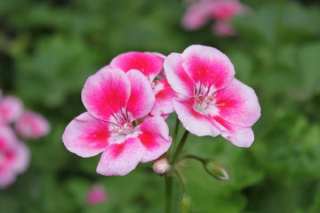
From our perspective as geranium plants, we are vibrant and resilient, but we are not without our vulnerabilities. We face constant threats from tiny invaders that see our lush leaves and sweet sap as their perfect home and food source. Understanding these pests from our point of view is the first step in maintaining our health and beauty without resorting to harsh chemicals that can disrupt our ecosystem.
We often feel the first sign of trouble as a slight stickiness on our leaves, known as honeydew. This is the waste product of aphids, tiny soft-bodied insects that cluster on our tender new growth and the undersides of our leaves. They pierce our tissues with their needle-like mouthparts to suck out our vital sap. This weakens us, causing our leaves to curl, yellow, and distort. The honeydew they leave behind can also attract ants and foster the growth of sooty mold, which blocks our sunlight and further impedes our ability to photosynthesize.
When the air is hot and dry, we become particularly susceptible to spider mites. These are not insects but arachnids, and they are so small they are often overlooked until their damage is severe. They feed on our individual plant cells, leaving behind tiny stippled yellow or white dots on our leaves. From our perspective, it feels like a thousand tiny pinpricks. If the infestation is heavy, we may produce fine, silken webbing for protection, which is a clear distress signal. Severe feeding drains our chlorophyll, causing our leaves to turn bronze, dry up, and drop prematurely.
When we are disturbed and a cloud of tiny, white, moth-like insects flutter up, we are hosting whiteflies. They typically congregate on the undersides of our leaves, where both the adults and their scale-like nymphs feed on our sap. Similar to aphids, this feeding stresses us and leads to yellowing, wilting, and stunted growth. They also excrete copious amounts of honeydew, leading to the same issues with sooty mold and ant activity, creating a multi-layered problem that is difficult for us to endure.
Some pests do not suck but instead consume us in large, visible chunks. Caterpillars, particularly the larvae of geranium budworms, are a significant threat. We feel them eating away at our flower buds and petals before they even have a chance to open, or chewing large, irregular holes in our leaves. This type of damage is not only unsightly but directly destroys our reproductive organs (flowers) and our energy-producing factories (leaves), severely impacting our vitality and ability to thrive.
We respond best to organic controls that work in harmony with our natural defenses. A strong blast of water from a hose can effectively dislodge aphids, whiteflies, and spider mites. Introducing or encouraging beneficial predators like ladybugs, lacewings, and predatory mites into our environment provides a sustainable, long-term solution as they see these pests as a food source. For persistent problems, insecticidal soaps and neem oil are effective organic options. They work by suffocating soft-bodied insects or disrupting their feeding and molting cycles without leaving toxic residues that could harm us, our pollinators, or the soil life we depend on. For caterpillars, the organic solution is hand-picking them off our leaves or using the biological insecticide Bacillus thuringiensis (Bt), which specifically targets them without affecting other beneficial insects.