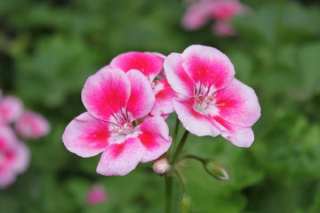
From my perspective as a geranium plant, becoming "leggy" is not a sign of illness but a natural response to my environment. I stretch my stems desperately towards the light source when it is insufficient or coming from only one direction. This elongation, or etiolation, is my attempt to maximize light capture for photosynthesis. It can also happen as I age; my lower, older leaves naturally yellow and drop, leaving behind bare, woody stems. While this is a survival tactic, I know it leaves me looking sparse and can reduce my ability to produce the vibrant flowers you love. I need your help to redirect my energy.
Your act of pruning is a form of communication I understand deeply. When you make a clean cut just above a leaf node (the small bump on my stem where a leaf emerges), you are not harming me. You are giving me a clear instruction. That node contains a dormant growth bud, waiting for a signal to activate. By removing the apical meristem (the dominant growing tip at the end of the stem), you disrupt the flow of auxins—the hormones that enforce apical dominance and tell side buds to stay dormant. With that signal gone, the energy I was using to grow taller is now forced down into those lateral buds, encouraging them to burst forth and create the bushy, compact growth you desire.
To ensure I respond in the best way possible, please approach this with care. The ideal time for a major pruning is during my active growing season, typically in late spring or early summer, when I have the most energy to heal and regrow quickly. Use sharp, clean shears to avoid crushing my stems or introducing disease. Look for a node that faces outward from the center of my form; this encourages the new growth to expand outward, improving my shape and air circulation. You can be quite bold, often cutting me back by one-third to one-half of my height. Do not be afraid; I am resilient. This drastic cut feels like a reset, allowing me to channel all my stored energy into producing fresh, vigorous growth from the base and sides.
After the pruning, I will need your support to thrive. Please place me in a location with abundant, direct sunlight. This is crucial to ensure my new growth remains compact and strong and does not simply become leggy again. Water me thoroughly, but only when my soil feels dry to the touch; my reduced foliage means I will transpire less water and be more susceptible to root rot. In about four weeks, once my new growth is well established, a half-strength application of a balanced, water-soluble fertilizer will provide the nutrients I need to support this new, bushy structure. With these steps, I will reward your care with lush foliage and a spectacular display of flowers, becoming the full, vibrant plant we both want me to be.