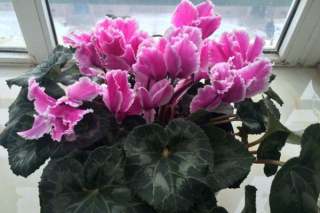
From our perspective as Cyclamen plants, crown rot is a devastating and often fatal condition. It attacks the very core of our being—the crown. This is the crucial central point from which our stems, leaves, and flowers emerge, situated just at the soil surface. When this area is compromised, our entire ability to transport water and nutrients collapses. Understanding this affliction from our point of view is key to saving us.
The primary cause of our suffering is a pathogen, often the fungus Botrytis cinerea or species of Fusarium or Phytophthora. These organisms thrive in conditions that are detrimental to our health: excessive moisture and poor air circulation around our crown. The attack begins subtly. The fungus infiltrates our tissues, often through a small wound or by settling on decaying leaves that are left in contact with the crown. It then begins to block our vascular system, the essential pathways we use to drink and feed. We first feel a softening and darkening at our base. Our leaves begin to yellow and wilt not from thirst, but because we cannot move the water that is right there in the soil. A fuzzy gray mold may appear. This is a sign of advanced infection, and from our perspective, it signals a critical emergency.
You can help us immensely by avoiding the environments where these pathogens flourish. We are particularly susceptible when:
• Water is applied directly to our crown: We prefer to drink from our roots. Water settling in our crown creates a perpetually wet environment that invites fungal growth.
• We are planted too deeply: If soil covers our crown, it traps moisture and drastically reduces air flow around this critical area, smothering us and creating a perfect home for rot.
• There is poor air circulation: Stagnant, humid air around our foliage prevents moisture from evaporating and allows fungal spores to settle and multiply.
• Our old flowers and leaves are left to decay on the soil: This decaying matter acts as a bridge for the pathogen to reach our healthy crown tissue.
If you catch the infection early, there is hope. At the first sign of wilting or softness, you must act decisively.
• Immediate Isolation: First, move us away from other plants. The pathogens can spread, and we would not want our suffering to cause a wider outbreak.
• Surgical Removal: Carefully unpot us. Gently wash the soil from our roots and crown to assess the damage. With a sterile, sharp knife, you must cut away all soft, brown, or blackened tissue from the crown and any affected roots. This is a life-saving amputation. It must be thorough; any remaining infected tissue will continue to decay.
• Application of Antifungal Aid:
After the surgery, dust our wounds with a fungicide powder. This creates a protective barrier against further attack. Please allow our crown to dry and callus over for several hours before repotting. • Fresh Start in a New Home: Repot us into a completely new, sterile, and very well-draining potting mix. Ensure our crown is sitting perfectly at the soil surface, not buried. Water us sparingly from below by placing the pot in a saucer of water, allowing only the roots to drink, and only after the top layer of soil has become dry.