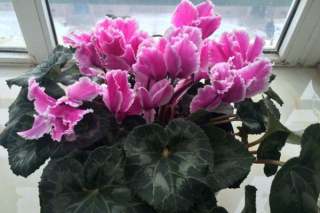
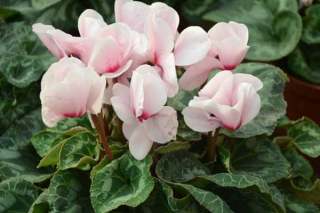
As the intense heat of summer wanes and the days begin to shorten, my sensors—the fine root hairs deep in the soil—detect a subtle shift. The cooler temperatures and increased moisture signal that the harsh, dry season is passing. This is my cue. Energy, stored safely in my tuber throughout the dormant period, begins to stir. I direct it towards producing new root growth first, establishing a fresh network to absorb the coming autumn rains. Soon, the first tiny leaf buds will push through the soil's surface, unfurling into the marbled, heart-shaped leaves that are my signature. My primary goal in this phase is photosynthesis; I must gather as much energy as possible to fuel the spectacular display to come.
With my leafy canopy established, my focus shifts to reproduction. The shortening days and consistently cool conditions are the perfect triggers. I send up flower stalks, each one curling elegantly like a shepherd's crook before straightening to reveal the intricate blossoms. These are not merely for human admiration; they are beacons for winter-active pollinators. My vibrant petals, often in shades of pink, red, or white, and their sweet nectar are powerful invitations in a season with few other floral resources. This period of glorious bloom is my peak activity. I am actively growing, feeding, and working to ensure my genetic legacy through seed set, all while enjoying the cool, moist weather that defines my ideal environment.
As the sun grows stronger and the days noticeably lengthen, a new signal is received. The warming air and soil tell me that the hot, dry months are approaching—a time of great stress. My mission of flowering and seeding is complete. It is no longer efficient to maintain my large canopy, which would lose too much water under the scorching sun. I must begin my retreat. I gradually cease new flower production and start the vital process of nutrient reabsorption. The energy stored within my leaves is meticulously drawn back into my central tuber, my lifeline. This causes my once-lush foliage to yellow and wilt, a process that may look like decline but is in fact a strategic conservation of resources.
By the time summer's heat arrives in full force, I have entered a state of complete dormancy. Above the soil, all visible signs of life have vanished. But below the surface, my tuber rests, alive and potent. This deep sleep is my ultimate survival strategy. I require minimal moisture and no nutrients during this time. My metabolic processes slow to a near halt, allowing me to endure months of drought and high temperatures. I am not dead; I am patiently waiting, preserving my core energy until the environment shifts once more. When the autumn rains return and the air chills, the cycle will begin again, and I will reawaken.