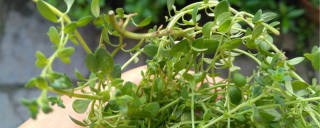
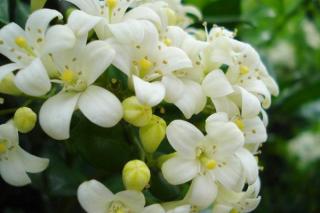
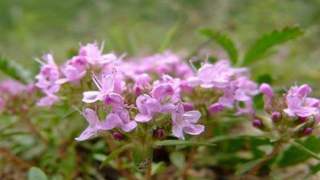
Thyme (genus *Thymus*) is a perennial herb belonging to the mint family, Lamiaceae. It is characterized by its small, aromatic leaves and woody stems. The most common culinary species is *Thymus vulgaris*, or garden thyme. This plant is native to the Mediterranean region and is cultivated worldwide for its culinary, ornamental, and medicinal properties. Its primary aromatic compounds, such as thymol, are concentrated in the leaves and give the plant its distinctive scent and flavor.
From a botanical and toxicological perspective, common thyme (*Thymus vulgaris*) is generally recognized as non-toxic to both cats and dogs. The American Society for the Prevention of Cruelty to Animals (ASPCA) classifies it as non-toxic for pets. The essential oils within the plant, while potent, are present in low concentrations in the fresh or dried leaves typically used in cooking. Therefore, a pet ingesting a small amount of a thyme plant is unlikely to experience anything more than a possible mild, self-limiting gastrointestinal upset.
The primary point of concern for pet safety lies not in the fresh herb itself, but in its highly concentrated forms. Thyme essential oil is extremely potent and can be dangerous for pets. The compound thymol, which is effective and safe for humans in small amounts, can be toxic to cats and dogs in high concentrations. Cats are particularly vulnerable because they lack certain liver enzymes (specifically, glucuronyl transferase) needed to efficiently metabolize and eliminate phenols like thymol, leading to a potential buildup of toxins. Ingestion of concentrated essential oil can lead to symptoms such as vomiting, diarrhea, drooling, and even central nervous system depression.
Even though the thyme plant is not chemically toxic, the physical act of a pet consuming plant matter can pose a risk. The fibrous, woody stems of a thyme plant are difficult to digest. If a dog or cat eats a significant quantity of the plant, the indigestible material can cause mechanical irritation to the gastrointestinal tract. This may result in symptoms like vomiting, diarrhea, or a temporary loss of appetite. The risk is physical rather than chemical, similar to a pet eating any non-food roughage.
It is important to distinguish common thyme from plants with similar common names. "Creeping thyme" (often *Thymus serpyllum*) is a different species within the same genus. Like its upright relative, it is also generally considered non-toxic to cats and dogs by the ASPCA. It is primarily used as an ornamental ground cover. The same precautions apply: the plant itself is low risk in small quantities, but concentrated essential oils derived from it are hazardous.