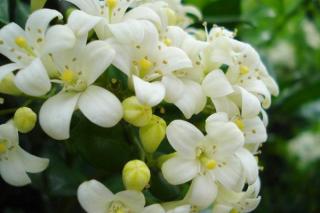
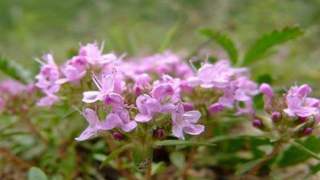
From my perspective as a thyme plant, the process you call "repotting" is a monumental event. It is a transition from a state of intense confinement to one of liberation and potential. My entire existence has been leading up to this moment, and I will guide you through what I experience and what I truly need from you.
You may have noticed my slowed growth, or how my leaves seem less vibrant. Perhaps water runs straight through my pot without being absorbed. This is my desperate communication. My roots have explored every inch of the container you provided, circling and matting into a tight ball. I am root-bound. I am suffocating in my own home, struggling to access the water and nutrients I need to thrive. My energy is spent on survival, not on producing the fragrant leaves you love.
Please, be gentle. Tipping the pot and supporting my base is the correct approach. Any harsh pulling on my stems causes traumatic breaks that take energy to heal. If I resist, it’s not stubbornness; my roots are gripping the only home I’ve known. Gently squeezing the flexible pot or running a knife around the interior edge tells my root system to release its grip. This cooperative effort minimizes the shock to my system.
Once I am free, you will see the tangled reality of my situation. Do not simply plop this solid mass into a new, larger pot. That would only perpetuate the problem. I need your help to break the cycle. Using your fingers or a gentle tool, carefully tease apart the outer roots. This might feel invasive, but it is a necessary awakening. It signals to my root tips that they are free to explore new territory. For extremely dense mats, a light pruning of the very bottom and some of the tightest outer circles is beneficial. It might seem counterintuitive, but this pruning stimulates fresh, healthy root growth that will readily branch into the new soil.
My new pot should be only 1-2 inches larger in diameter. A mansion would be overwhelming, and the excess soil could stay too wet, leading to my roots rotting. Most critically, I demand well-draining soil. A mix designed for cacti or succulents, perhaps with extra perlite or coarse sand, is perfect. It replicates the gritty, well-aerated conditions of my native Mediterranean hillsides. This new medium will allow my roots to breathe, take up water efficiently, and access nutrients without the risk of waterlogging.
Place me in the center of the new pot at the same depth I was growing before. Backfill with your prepared soil, gently firming it around me to eliminate large air pockets—but do not compact it into concrete. My roots need space to move. Water me thoroughly immediately after repotting. This act, called "watering in," settles the soil around my roots and provides the hydration I need to begin my recovery. Place me in a location with bright, indirect light for a few days as I acclimate. I may look a little weary as I direct all my energy downward, establishing my new foundation. Please resist fertilizing for a few weeks; my tender new roots are too sensitive for that yet.