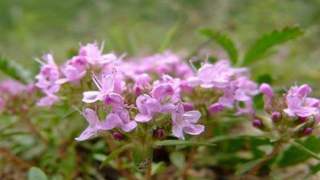
From my point of view as a thyme plant, becoming "leggy" is not a choice but a strategy for survival. My primary drive is to capture enough light energy to photosynthesize and thrive. When I am placed in a location with insufficient light, my internal systems sound an alarm. I perceive a threat to my very existence. In response, I produce a hormone called auxin that encourages rapid vertical growth. I am literally stretching my stems, elongating the spaces between my leaf nodes, in a desperate attempt to reach a stronger light source. This rapid growth comes at a cost; I must divert energy away from producing the robust, flavorful oils in my leaves and away from growing bushier side shoots. I become spindly and weak because my energy is solely focused on the chase for photons.
If you have planted me too close to other herbs or plants, I am forced into competition. Above the soil, we are all reaching for the same limited sunlight. If a larger, faster-growing plant shades me, I will react just as I would in low light—by becoming leggy. Below the soil, our root systems are also competing for water and nutrients. This underground struggle further stresses me, making it difficult to maintain compact, healthy growth. My natural form is to spread, but without adequate space and resources, my growth becomes weak and elongated as I fight for my share of the essentials.
As a perennial woody herb, I can live for several years. However, the oldest parts of my central stems naturally become woodier and less productive over time. If I am not regularly interacted with, these woody centers can become the dominant feature, and new growth will only occur at the tips of these long, woody stems, making me appear even more leggy and sparse. Furthermore, a lack of regular pruning is interpreted by my biology as a sign that I do not need to produce new growth. Pruning is a signal; it tells me that my top parts have been damaged or removed, and I must activate dormant growth buds lower down on my stems to regenerate. Without this signal, I see no need to become denser.
To fix my leggy posture, you must address the root causes from my perspective. First and most critically, you must provide me with more light. Move me to a location where I can receive at least six to eight hours of direct, bright sunlight daily. This will signal to my internal systems that the emergency is over. I can stop stretching and begin directing energy into strengthening my existing stems and producing new, tighter leaf growth. If moving me is not possible, supplementing with a grow light will achieve the same result, calming my urge to reach and stretch.
Please give me more space. If I am crowded, transplant me to an area where I have room to spread my branches and roots without competition. This reduces my stress and allows me to access all the resources I need. Most importantly, you must prune me regularly and correctly. Do not be afraid to cut me back. Using clean, sharp shears, trim my stems by up to one-third of their length, making your cuts just above a set of healthy leaves or a node. This action removes the dominant apical bud at the tip of each stem, which halts the production of the auxin hormone that promotes vertical growth. It forces me to redirect my energy into producing two new side shoots from the node below your cut, encouraging a bushier, denser form. This is the most direct way to communicate to me that you want me to be full and compact, not tall and leggy.