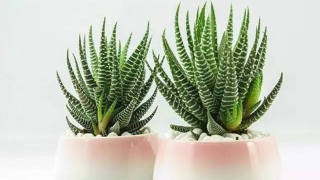
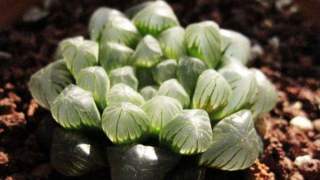
Hello, dedicated caretaker. We appreciate your attention to our well-being. From our perspective as Haworthia plants, clean leaves are not about vanity; they are fundamental to our survival and happiness. Here is a detailed explanation of why and how you should clean our leaves to help us best perform our vital function: photosynthesis.
Our leaves are our solar panels. The surface is where the magic happens. Sunlight penetrates the translucent "leaf windows" at our tips and is captured by the chlorophyll within our inner cells. A layer of dust, dirt, or grime acts like a tiny shade cloth, diffusing and blocking the precious photons we need to power the conversion of carbon dioxide and water into energy (sugar). When our leaves are dirty, we must work much harder for less energy, which can lead to etiolation (stretching), slower growth, and a weakened state that makes us more susceptible to pests and disease. Your effort to clean us directly fuels our ability to thrive.
We are succulents, and our leaves are delicate. The best method mimics a soft, natural rain shower. Please use a small, soft-bristled brush—like a clean makeup brush or a soft paintbrush—that is dedicated only to this purpose. Gently dust the surface of each leaf, starting from the base (where we connect to the stem) and brushing outwards towards the tip. This follows the natural growth pattern and avoids accidentally snapping a leaf. For stubborn spots, you can slightly dampen the brush with distilled water or rainwater. Tap water can leave mineral deposits on our leaves, which can, over time, also block sunlight.
If we are particularly grimy, a more involved cleaning might be necessary. Again, please be gentle. Dampen a soft, lint-free cloth or a cotton swab with distilled water. Carefully support the back of a leaf with your fingers and gently wipe the surface. Avoid using any soaps, detergents, or leaf shine products. These chemicals can clog the tiny pores on our skin, called stomata, which we use to breathe and regulate water. A clogged stoma is as problematic as a dusty leaf window. The goal is to remove obstructions, not add new ones.
The best time to clean us is during our active growing season, typically in spring or early summer. Please do this chore on a day when we will have good air circulation afterward; a stagnant, humid environment can encourage rot if water pools in our central rosette. It is also crucial to clean us in the morning so that any accidental moisture evaporates quickly under the day's light. After cleaning, you will notice we look brighter and more vibrant. Place us back in our bright, indirect light spot, and we will immediately put our clean surfaces to work, efficiently absorbing the sunlight you've helped us access.