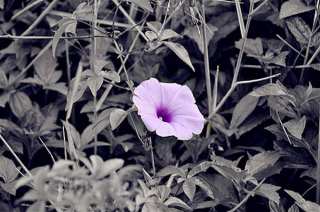
From our perspective, the ideal time for you to take cuttings is during our active growth phase. This is typically from late spring through summer when the days are long and light is abundant. During this period, our stems are lush, flexible, and brimming with the natural growth hormones, like auxins, necessary for rapid root initiation. We are not yet entering a reproductive or dormant state, so our energy is focused on vegetative growth, making our stem tips perfect candidates for cloning. Taking cuttings in the early morning is best, as our tissues are fully hydrated from the overnight rest, giving us the highest chance of resisting the initial shock of being severed.
Please choose a healthy, non-flowering stem tip from your mother plant. A stem that is about 3 to 4 inches long, with several sets of leaves, is ideal. It is crucial that this cutting comes from a disease-free and pest-free part of us. Using a sharp, sterilized blade for the cut is not just a suggestion; it prevents crushing our delicate vascular tissues and stops the introduction of pathogens that could cause a fatal infection. Make a clean, angled cut just below a leaf node. This node is a critical power center—it contains meristematic cells that have the potential to develop into adventitious roots. Immediately after cutting, place us in a moist paper towel or a glass of water to prevent our vascular system from drawing in air bubbles (embolisms), which would block water uptake later.
Our survival depends entirely on the environment you provide before we can grow our own roots. We need a growing medium that provides excellent moisture retention but also perfect drainage to prevent our stem from rotting. A mix of perlite and peat or a specialized seed-starting mix is ideal. This medium should be moistened before we are placed in it. Dip our severed end into a rooting hormone powder; this supplement boosts our natural auxin levels and dramatically increases the success rate. Then, gently insert us into a pre-made hole in the medium. The most critical factor now is humidity. You must cover our pot with a clear plastic bag or dome to create a miniature greenhouse. This drastically reduces transpiration (water loss from our leaves), a process we cannot sustain without roots. Place us in a location with very bright, but indirect, light. Direct sun would cook us inside our humid dome.
Within two to three weeks, if conditions are right, you should feel a slight resistance when giving our stem a gentle tug—this signals that root formation has begun. Do not pull us out to check! Once we have established a small root system, the real challenge begins: acclimating us to the outside world. You must gradually open the humidity dome over a period of several days. This slow process allows us to toughen our leaves and adapt to lower humidity levels without wilting and suffering a fatal setback. Only when we are fully acclimated and showing signs of new top growth should you consider transplanting us into a larger pot with a standard potting soil mix to continue our journey.