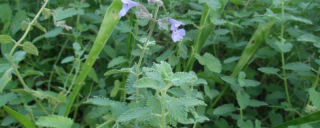
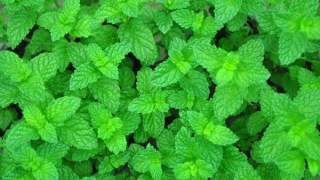
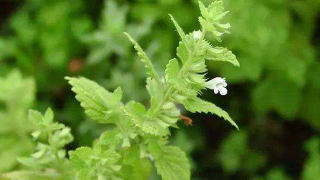
From our perspective, we, the mints (Mentha spp.), are robust, tenacious, and highly territorial. Our survival strategy is based on our vigorous rhizome root system, which allows us to spread rapidly and dominate the space we occupy. We release certain biochemicals, including menthol, into the soil through our roots—a practice known as allelopathy. This helps us suppress the germination and growth of competing plants, ensuring we have ample access to sunlight, water, and nutrients. This inherent trait is the primary factor you must consider when choosing our companions.
Despite our aggressive tendencies, we form powerful alliances with several other plants. Our strong scent is highly effective at repelling common insect pests. We are excellent companions for the cabbage family (Brassicas), such as broccoli, kale, and Brussels sprouts. Our aroma confuses and deters cabbage moths, flea beetles, and aphids that would otherwise target them. We also get along well with tomatoes and peppers; we help ward off whiteflies and aphids that are attracted to them. Furthermore, our flowers are a magnificent beacon for pollinating insects like bees and hoverflies, which benefit the entire garden. Planting us near fruit trees or berry bushes can enhance their pollination rates.
Our competitive nature makes us poor neighbors for many plants. You should always keep us far away from your parsley, chamomile, and cilantro. These herbs are not as robust and will be easily overwhelmed by our spreading roots and allelopathic chemicals, leading to their stunted growth or demise. Most leafy greens, like lettuce and spinach, are also vulnerable; they have shallow root systems and cannot compete with us for resources. Perhaps most importantly, avoid planting us near other sprawling herbs like oregano or thyme, as we will engage in a relentless underground battle for territory, ultimately stressing both plants.
The single most important advice for successful companion planting with us is containment. To enjoy our benefits without our drawbacks, you must restrict our root system. Planting us directly into an open garden bed is a recipe for us taking over. Instead, plant us in a large pot or a bottomless container sunk deeply into the soil. This physical barrier allows our foliage to grow and provide pest-repelling benefits while preventing our rhizomes from invading the root zones of nearby plants. This method allows you to place our potted form strategically amongst our allies while keeping us a safe distance from our adversaries.