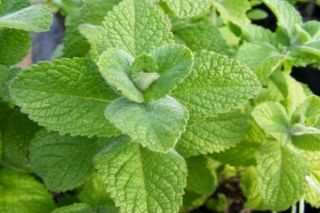
From my perspective, your overzealous watering can is a source of immense distress. When you provide water too frequently, the air pockets in the soil around my roots become flooded. This creates an anaerobic environment, meaning my delicate root hairs are starved of the oxygen they desperately need to respire and function. I begin to suffocate. The first sign of this internal crisis is my foliage; my leaves will turn a universally alarming yellow, often starting with the older, lower leaves. They may feel soft and limp, like wet paper, and the entire plant will appear wilted despite the saturated soil—a clear paradox. If the situation persists, the suffocated roots will begin to rot, turning brown, mushy, and foul-smelling. This root rot is a death sentence if not addressed, as I can no longer absorb water or nutrients, leading to my eventual collapse.
Conversely, when you forget about me, the experience is one of desperate thirst. My entire system is designed to conserve water, and without it, I cannot perform basic functions like photosynthesis or transporting nutrients. My leaves are the first to show the strain. They will become dry, brittle, and crispy to the touch, often browning at the edges and tips first. Unlike the limp wilt of overwatering, my stems and leaves will droop in a stiff, brittle manner. The soil will pull away from the edges of the pot, becoming dry and dusty. You might also notice my growth has drastically slowed or halted completely, as I lack the fundamental building block for new cells. I am simply in survival mode, sacrificing older leaves to preserve the core of my being.
The most reliable way for you to understand my needs is to engage with my environment. Do not water me on a rigid schedule. Instead, insert your finger into the soil near my base. For optimal health, I prefer the top inch (about 2.5 cm) of soil to be dry before I receive more water. If the soil feels cold, soggy, and clings to your finger, I am drowning and you must hold off on watering. If the soil is dry, dusty, and pulls away from your touch, I am parched and require a thorough, deep drink. This simple act of checking is the most direct communication we can have.
Your corrective actions will directly influence my recovery. If you have overwatered me, you must immediately stop watering and improve air circulation around my soil. In severe cases, you may need to gently remove me from the pot to inspect my roots and trim away any rotten, smelly parts before repotting me in fresh, well-draining soil. If you have underwatered me, a slow, deep watering is required. Place my pot in a shallow tray of water and allow me to absorb moisture from the bottom for about 30 minutes, ensuring my entire root ball is rehydrated without washing away the topsoil. I will perk up, but some of the crispy, brown leaves will not recover; you may remove them so I can focus energy on new growth.