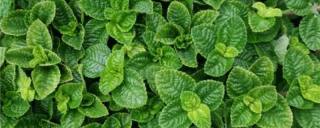
Mint, a term encompassing plants from the genera *Mentha*, is a remarkably resilient herb known for its vigorous growth. Its ability to survive winter outdoors is a common concern for gardeners, and the answer is nuanced, depending on both the plant's biological adaptations and the specific climate it is grown in.
Most culinary mints, such as peppermint (*Mentha × piperita*) and spearmint (*Mentha spicata*), are herbaceous perennial plants. This means their root systems (rhizomes and stolons) are designed to live for many years, surviving through seasonal changes. As autumn approaches and daylight diminishes, the plant's above-ground growth (the stems and leaves) begins to senesce, or die back. This is not the death of the plant but a strategic survival mechanism. The plant redirects its energy downward, storing carbohydrates and nutrients in its hardy underground rhizomes. These rhizomes act as a protected energy bank, allowing the plant to remain dormant underground throughout the winter, insulated from freezing surface temperatures.
The USDA Plant Hardiness Zone Map is the key reference for determining a plant's winter survivability based on regional average annual extreme minimum temperatures. Mint is generally considered winter-hardy in a broad range of zones. Most mint varieties are rated for USDA zones 3 through 8, and some can even tolerate the milder winters of zone 9. This means mint can survive minimum winter temperatures from -40°F (-40°C) in zone 3 up to 20°F (-6.7°C) in zone 9. The plant's survival hinges on its underground parts being protected from these extreme lows. In zones at the lower end of this range (e.g., zone 3 or 4), a consistent blanket of snow actually serves as a perfect insulating layer, protecting the rhizomes from severe freeze-thaw cycles that can be more damaging than consistent cold.
While the hardiness zone provides a general guideline, several other factors directly influence a mint plant's chances. Soil drainage is paramount; mint requires moist but well-draining soil. In waterlogged, heavy clay soil, the crown and rhizomes are susceptible to rot, especially during cold, wet winters. Conversely, in extremely light, sandy soil that offers little insulation, rhizomes may be exposed to colder temperatures than they can tolerate. The plant's overall health entering winter is also critical. A stressed plant, perhaps from drought or disease during the growing season, will have fewer energy reserves stored in its roots, making it more vulnerable to winter kill.
In zones at the edge of a mint variety's tolerance or during unusually harsh winters, providing protection can ensure survival. After the top growth has died back in late fall, applying a 2-4 inch layer of mulch, such as straw, shredded leaves, or bark chips, over the mint patch is highly effective. This layer regulates soil temperature, prevents damaging freeze-thaw cycles, and protects the crown of the plant. It is crucial to note that mint grown in containers is far more vulnerable than mint planted in the ground. Container soil freezes solid much more quickly, which can kill the rhizomes. Potted mint must either be moved to a protected, unheated location like a garage or shed for winter, or it can be buried in the ground with the pot's rim at soil level and heavily mulched.