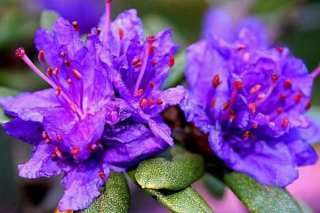
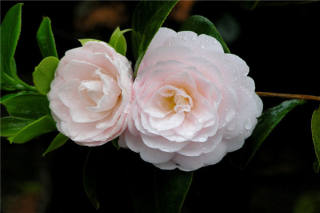
To you, it's a layer of bark or pine needles. To us, your azaleas, it is a vital, multi-functional survival tool. Our shallow, fibrous root systems reside mostly in the top few inches of soil, making us highly susceptible to environmental stress. A proper mulch layer directly addresses our most fundamental needs, not as a mere decorative addition, but as a critical component of our well-being.
Our fine, surface-level roots are the first to suffer in dry conditions. They quickly desiccate without consistent moisture, leading to drought stress, wilting, and reduced flower bud set for the next season. A 2-4 inch layer of organic mulch acts as a barrier, dramatically reducing evaporation from the soil surface. This allows us to maintain a stable, moist environment where our roots can efficiently uptake water and dissolved nutrients. It's like a constant, slow-drip hydration system that prevents the feast-or-famine cycle of manual watering.
We are not fans of extreme temperature fluctuations. In summer, direct sun can bake the soil, overheating our sensitive roots and inhibiting growth. In winter, sudden freezes and thawing cycles can cause frost heave, physically damaging our root structure and exposing us to the cold air. Mulch serves as an insulating blanket. It keeps the soil cooler in the intense summer heat and warmer during winter's chill, providing a much more stable and comfortable root zone temperature year-round, which is essential for our health and longevity.
We thrive in slightly acidic, well-aerated, and organically rich soil. As organic mulch decomposes, it does two crucial things for us. First, it feeds the soil microbiome—the beneficial fungi and bacteria that form symbiotic relationships with our roots, helping us access nutrients. Their activity, in turn, improves soil tilth and structure, preventing compaction and allowing our roots to breathe and expand easily. Second, the decomposition process slowly releases essential nutrients and, critically, acidifies the soil, lowering the pH to the slightly acidic range we require for optimal health and vibrant bloom color.
Weeds are more than unsightly; they are direct competitors. They aggressively compete with us for water, nutrients, and light. A thick mulch layer blocks sunlight from reaching weed seeds, preventing them from germinating and establishing. This eliminates root competition, ensuring we get the full share of resources. Furthermore, a mulch buffer zone protects our delicate surface roots and stem bases from physical damage from lawnmowers, trimmers, and foot traffic, which can create entry points for disease.
Please, avoid the dreaded "mulch volcano." Piling mulch against our main stem creates constant moisture, leading to bark rot, fungal diseases, and provides a haven for voles and insects that will girdle and kill us. Instead, pull any existing mulch away from the stem before adding more. Apply the mulch in a 2-4 inch layer, spreading it evenly to the drip line (the outer reach of our branches) or beyond. Ensure the base of the plant is clear, leaving a small, donut-like well of exposed soil around the main stem to allow for proper air circulation and prevent rot. Replenish the mulch as it naturally decomposes, typically once a year.