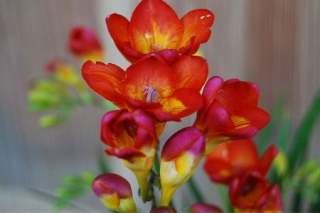
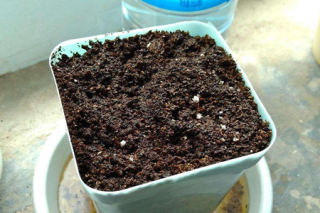
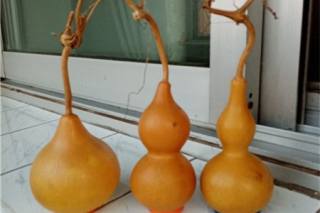
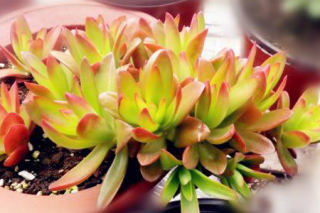
It likes to scatter light, and the early spring light is suitable. It should be placed in a place with sufficient light to receive the whole day's light time. In the late spring, the temperature increased and the light was strong, so it should be moved to the half shade. In addition, spring is the growth period of leaves, which should be watered frequently to keep moist, but not ponding. After growing new leaves, we need to apply fertilizer, nourish, and nourish enough to grow stronger.
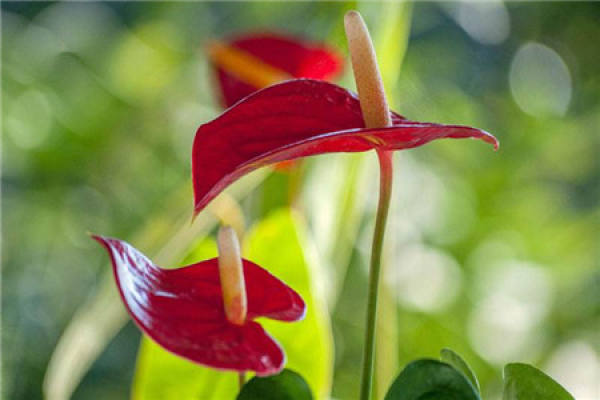
In summer, the temperature is high, and the light is too strong. At this time, it is necessary to shade, do not expose to strong light, and usually ventilate more to avoid high temperature affecting the growth. At this time, the water loss is faster. In order to increase the times of watering, we should supplement water in the morning and evening every day to provide a higher humidity environment to meet the growth demand.
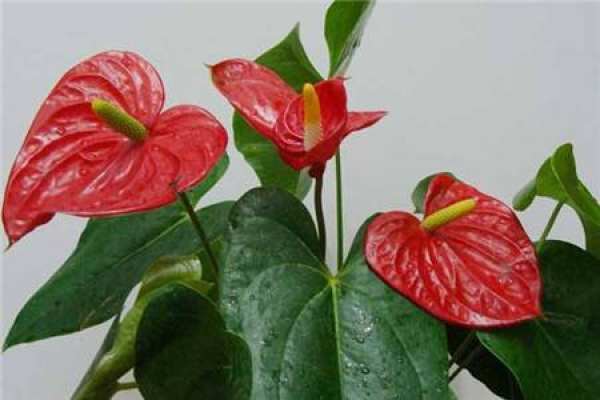
The light in early autumn is still very strong, so we need to block out the light, and restore the full light time after the later cooling. And also reduce the number of watering, two or three days on the line, not water. When the temperature is lower than 18 ℃, stop applying fertilizer to avoid fertilizer damage.
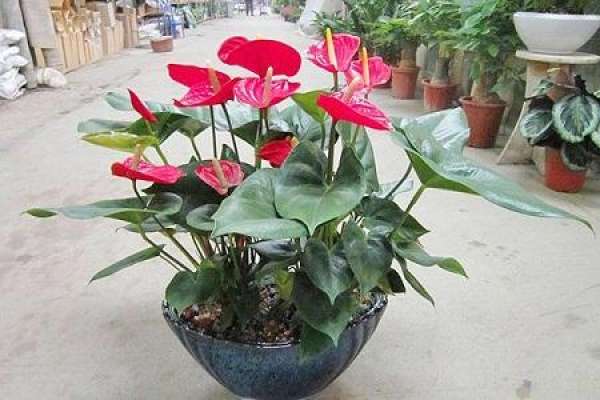
In winter, the light is mild, and it should be exposed to the sun as much as possible. Only when the light is sufficient can the flower bloom smoothly. If the weather is not allowed, artificial light should be supplemented. Its cold resistance is poor, to control the temperature, the temperature above 15 degrees can bloom, below 10 degrees is easy to frostbite. At this time, the temperature should be between 15 ℃ and 20 ℃, so as to grow normally.