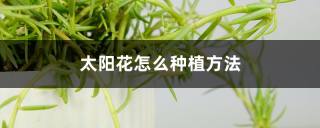
The Fox Tail Fern (Asparagus densiflorus 'Meyersii') is native to South Africa, where it thrives in warm, humid environments. In its natural habitat, it grows under the canopy of trees, benefiting from dappled sunlight and consistent moisture in the air. This background is crucial for replicating ideal humidity levels in cultivation.
Fox Tail Ferns prefer humidity levels between **50% and 70%** for healthy growth. While they can tolerate lower humidity (around 40%), prolonged dryness may lead to browning leaf tips, stunted growth, or leaf drop. High humidity mimics their native environment, promoting lush, vibrant foliage.
- **Low Humidity**: Leaves may turn brown or crispy at the edges, and the plant may shed older fronds prematurely. - **Excessive Humidity**: While rare, overly damp conditions can encourage fungal diseases like root rot or mold growth on the soil surface.
- **Grouping Plants**: Placing the fern near other humidity-loving plants creates a microclimate with higher moisture levels. - **Pebble Tray**: Fill a shallow tray with water and pebbles, then place the pot on top. Evaporation boosts local humidity. - **Misting**: Lightly mist the foliage 2–3 times weekly, preferably in the morning to allow leaves to dry before evening. - **Humidifier**: A room humidifier is the most effective way to maintain consistent humidity, especially in dry climates or heated indoor spaces.
- **Summer**: Higher temperatures may require increased misting or humidifier use to counteract drying effects. - **Winter**: Indoor heating reduces humidity; relocate the fern away from vents and monitor moisture levels closely.
While humidity is vital, stagnant air can harm the plant. Ensure gentle airflow (e.g., from a fan or open window) to prevent pest infestations or fungal issues. Avoid placing the fern in drafty areas, which can cause rapid moisture loss.
- Keep the soil consistently moist but not waterlogged. Overwatering in high-humidity environments can suffocate roots. - Use lukewarm water to avoid shocking the plant, and ensure pots have drainage holes to prevent excess moisture buildup.
- **Indoors**: Monitor humidity with a hygrometer and adjust methods (e.g., humidifier) as needed. - **Outdoors**: In dry climates, plant in shaded areas and mulch the soil to retain moisture. In humid regions, ensure proper spacing to avoid overcrowding.