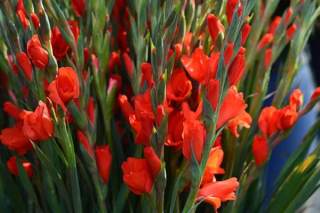
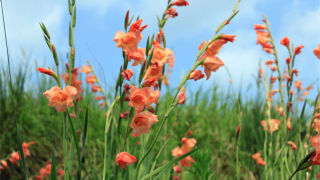
From the plant's perspective, the period immediately following flowering is a critical time for energy storage and preparation for dormancy. The flower spike has expended a tremendous amount of the plant's resources to produce its spectacular bloom. Once the flowers fade, the green, sword-like leaves are not merely decorative; they are the primary photosynthetic engines of the plant. Through photosynthesis, the foliage absorbs sunlight and converts it into chemical energy in the form of carbohydrates. This energy is not used for immediate growth but is instead transported down to the corm (the underground storage organ) for storage. The plant is essentially packing its lunchbox for the winter and for next year's growth cycle.
The process of replenishing the corm is a deliberate physiological operation. After flowering, the plant shifts its priority from reproduction (blooming) to survival. The leaves continue to manufacture sugars, which are then translocated downward to the base of the plant. This energy is used to plump up the original corm and, crucially, to form new cormels (small baby corms) on top of it. If the foliage is removed prematurely, this vital process is abruptly halted. The corm will be undersized, weak, and lacking the necessary reserves to produce a strong flower spike the following season, or it may not survive the winter at all.
The plant itself will provide the clearest signal for when it is safe to remove the foliage. The ideal time to cut back the leaves is only after they have turned yellow and then brown. This color change is a visual indicator that the photosynthesis process has concluded and the transfer of nutrients to the corm is complete. The plant has actively withdrawn the remaining valuable resources from the leaves, a process known as senescence, and is entering its natural dormant state. This typically takes four to six weeks after the flowers have finished. Cutting back green foliage is detrimental as it severs the plant's only means of generating next year's potential.
When the leaves have fully yellowed/browned, the plant has finished its work. At this point, you may remove the foliage. Using clean, sharp shears, cut the foliage back to within approximately 2 to 3 inches (5 to 7.5 cm) above the soil level. It is important to leave this small stub to protect the corm beneath the soil and to ensure you do not accidentally damage the top of the corm when cutting. This method allows the plant to seal off the cut properly without exposing the central core of the corm to potential pathogens from the soil. The plant's above-ground cycle is now complete, and its future lies securely stored within the healthy, nourished corm underground.