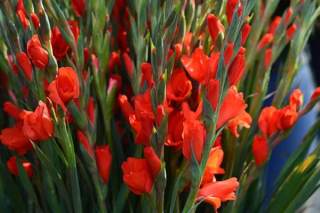
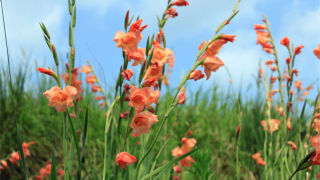
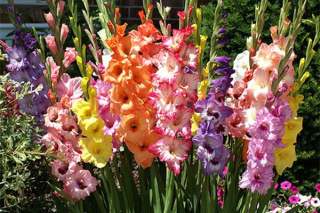
As a gladiolus plant, our primary purpose is to reproduce, and our spectacular flower spikes are our ultimate advertisement. To encourage us to produce our largest, most impressive blooms, you must understand and cater to our fundamental needs. It is a partnership; you provide the ideal conditions, and we respond with our greatest floral effort.
Our corms are our lifeblood, storing all the energy required for the next season's growth. To produce a large bloom spike, we need a tremendous amount of resources. Plant us in loose, well-draining soil that has been amended with plenty of organic matter, like compost or well-rotted manure. This environment allows our roots to spread deeply and widely, accessing not only water but also a steady supply of nutrients. A balanced, slow-release fertilizer or a bulb-specific formula worked into the soil at planting gives us the strong start we need. As we begin to form the flower spike, a fertilizer higher in phosphorus (the middle number on the fertilizer package) can be applied to directly support the development of large, vibrant blooms.
We are solar-powered organisms. Our leaves are our solar panels, converting sunlight into the chemical energy (sugars) that fuels all our growth, including the formation of our blooms. To generate the massive amount of energy required for a large flower spike, we require full, direct sunlight for a minimum of 6-8 hours per day. Without this intense light, our photosynthetic processes are limited. We will become leggy as we stretch weakly towards any available light, and the energy we do produce will be diverted to basic survival rather than to creating a magnificent bloom. Positioning us in a bright, sunny spot is non-negotiable for maximum flower size.
Water is the essential transport system within our structure. It carries dissolved nutrients from the soil up to our leaves and the sugars produced in our leaves down to our growing tips and corm. During our active growth period, especially as the flower spike begins to emerge, our water demand increases significantly. Inconsistent watering, where the soil dries out completely and then is flooded, causes immense stress. This stress can cause bud blast, where the developing flower buds abort and fail to open. Provide us with approximately 1 inch of water per week, ensuring it soaks deep into the soil to encourage deep rooting. A layer of mulch around our base is greatly appreciated, as it helps retain this precious soil moisture and keeps our roots cool.
Once our magnificent blooms begin to fade, your job is not yet done. While it is tempting to cut down our entire foliage, you must resist. After flowering, our focus shifts from reproduction to regeneration. We begin the critical process of photosynthesizing to send energy back down to our corm to store for next year's growth. If you remove our leaves immediately, you starve the corm. Instead, cut only the spent flower spike, leaving all the healthy, green foliage intact. Allow us to continue gathering sunlight until the leaves naturally yellow and die back in the fall. A well-fed corm this year is the direct precursor to a large, robust plant with massive blooms next year.