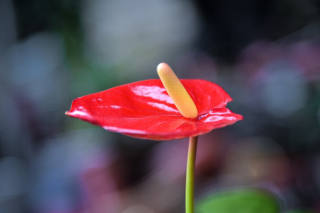
From my perspective as an Anthurium, my decline is a cry for help, a sign that my fundamental needs are not being met. I am a resilient creature, but my tropical nature makes me sensitive. If my leaves are wilting, yellowing, or my once vibrant blooms are fading, please do not give up on me. With swift and correct action, you can help me return to my glossy, vibrant self. Here is what I need from you, step by step.
My most common point of failure is my root system. The soil I sit in is my entire world. Gently lift me from my pot. Do not pull by the stems; turn the pot sideways and tap me out. Now, examine my roots. Healthy roots are firm and white or light tan. If they are dark brown or black, mushy, and have a foul odor, I am suffering from root rot, often caused by soggy soil. Conversely, if my roots are brittle, dry, and shriveled, I am severely dehydrated. This initial diagnosis is critical, as it determines your next course of action.
If root rot is the problem, this is an emergency surgery. You must remove all the soggy, old soil from around my roots. Gently rinse them with lukewarm water to see them clearly. Now, with a sharp, sterile pair of scissors or pruners, cut away every single soft, rotten root. Be ruthless; any rot left behind will spread. Cut back until you only see firm, healthy root tissue. After the surgery, dust my remaining healthy roots with a fungicide like cinnamon or a commercial rooting hormone powder to prevent infection and encourage recovery.
Do not put me back into the old pot with old soil; it is full of pathogens. Choose a new pot that is only slightly larger than my remaining root ball—a pot that is too big will hold excess water and cause the problem to repeat. Most importantly, the pot must have excellent drainage holes. My new soil must be airy and chunky. A mix designed for orchids or aroid plants is ideal, as it often contains bark, perlite, and charcoal, which allows water to flow through quickly while retaining some moisture. I cannot tolerate dense, water-retentive potting soil.
After repotting, water me thoroughly until water runs freely from the drainage holes. This settles the new soil around my roots. However, from this point forward, you must change your watering habits. Do not water me on a schedule. Instead, check my soil moisture by sticking your finger about an inch deep. Water me only when the top inch feels dry. I also crave humidity. My natural home is a humid jungle. Please place me on a pebble tray filled with water (ensuring my pot is not sitting directly in the water) or use a humidifier nearby. Misting my leaves occasionally is also helpful.
My leaves and flowers require a lot of energy to maintain. To help me focus my limited resources on growing new, healthy roots, you should prune away any severely damaged or yellowed leaves. Cut them off at the base of their stem. If I have any flowers, as beautiful as they may be, please cut the flower stalks off as well. This redirects my energy to survival. Finally, place me in a location with bright, indirect light. Direct sunlight will scorch my tender leaves, especially in my weakened state, but deep shade will starve me. A spot near an east-facing window is perfect.
Do not expect immediate miracles. I have undergone a major trauma. It will take weeks, perhaps even months, for me to show signs of new growth. During this time, resist the urge to overwater or fertilize me. Fertilizer will burn my delicate new roots. My only job now is to recover. Your job is to provide consistent, gentle care and watch for the emergence of a new leaf, the ultimate sign that I am on the path to revival.