From our perspective as Clivia plants, the most critical factor in your choice of pot is the nature of our root system. We possess thick, fleshy, and succulent roots that are surprisingly fragile. These roots are not fine and fibrous like those of many other plants; they are substantial storage organs for water and nutrients. Crucially, we are not aggressive rooters. We prefer to be slightly pot-bound, meaning our roots enjoy a cozy fit. A pot that is excessively large creates a significant problem: the vast volume of soil takes too long to dry out after watering. This prolonged dampness is an open invitation to root rot, a fungal condition that attacks and decays our precious roots, ultimately threatening our entire existence. Therefore, the primary rule is to choose a pot that accommodates our root ball with just a little room for growth—about 2-5 cm (1-2 inches) of space between the root ball and the pot's inner wall is ideal.
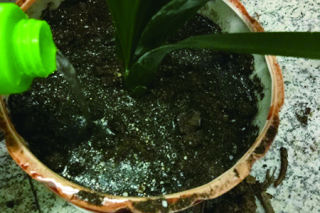
Our second non-negotiable requirement is excellent drainage. Our succulent roots are highly efficient at storing water, making us drought-tolerant but extremely vulnerable to "wet feet." Sitting in waterlogged soil is a death sentence. Therefore, any pot you select must have at least one, and preferably several, drainage holes at the bottom. These holes are our lifeline, allowing excess water to escape freely after you quench our thirst. Without them, water pools at the bottom of the pot, creating an anaerobic (oxygen-deprived) environment that suffocates our roots and fosters the very root rot we fear. When you water us, you should see a small amount of water flow out of these holes—this is a sign that the water has permeated the entire root zone and the excess is being effectively removed.
The material of the pot directly influences the moisture and aeration levels of our root environment, and we have distinct preferences.
Terracotta or Clay Pots: These are often an excellent choice for us. The porous nature of terracotta allows air to penetrate the pot's walls and helps water evaporate from the soil more evenly. This "breathability" helps prevent overwatering by ensuring the soil dries out more consistently between waterings. The significant weight of a terracotta pot also provides a stable base, counterbalancing our top-heavy, arching leaves.
Plastic or Glazed Ceramic Pots: These materials are non-porous, meaning they retain moisture for a much longer period. While this can be beneficial in very hot, dry climates or if you tend to underwater, it requires much greater discipline from you. You must wait until the top few inches of soil are completely dry before watering again. A key advantage of plastic pots is that they are lightweight, making larger specimens easier to move. If you choose a decorative pot without drainage holes, we insist you use it as a cachepot (an outer decorative sleeve). Please always plant us in a plain plastic pot with drainage holes and then place that inside the decorative pot, remembering to empty any accumulated water after irrigation.
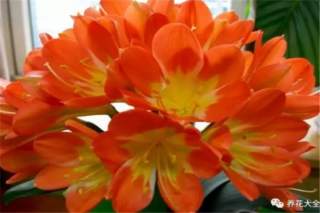
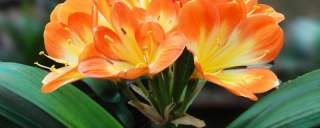
The size of the pot you choose has a direct and profound impact on our most celebrated feature: our beautiful floral display. As mentioned, we flower most prolifically when slightly pot-bound. The gentle constriction of our roots seems to signal to us that it is time to focus our energy on reproduction—producing that stunning umbel of trumpet-shaped flowers. If you repot us into an overly large container, we will likely respond by channeling all our energy into root and foliage growth to fill the new space, often at the expense of flowering. You may get a magnificent leafy plant that refuses to bloom for several seasons. For mature plants, repotting is only necessary every 3 to 5 years, or when you see a mass of roots starting to push the plant up and out of the pot or even crack the pot itself.