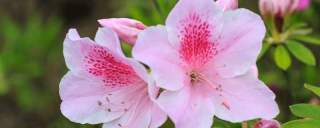
From a plant's perspective, the answer is a resounding yes, but with crucial conditions. We, azaleas, are not indoor creatures by nature. Our genetics are programmed for the dappled sunlight, fresh air, and natural rainfall of a forest understory. Spending the entire year indoors is a stressful compromise. Summer offers a vital opportunity to return to conditions that more closely mimic our native environment. This seasonal migration outdoors allows us to engage in more robust photosynthesis, strengthens our stems against breezes, and flushes our roots with oxygen-rich water in a way that a pot on a windowsill never can. It is a period of rejuvenation that builds our resilience for the coming year.
The single most important step you must take for our well-being is a gradual transition. Moving us directly from the stable, low-light conditions of your home to the intense, full-sun environment of your patio would be a severe shock, akin to a human getting a sudden, severe sunburn. Our leaves, which have adapted to indoor light levels, are not equipped with the protective pigments needed to handle direct summer sun. This would quickly lead to leaf scorch—brown, crispy patches that damage our ability to produce food. Therefore, you must "harden us off." This process involves placing us in a fully shaded, sheltered spot outdoors for just a few hours on the first day, gradually increasing the time and very slowly introducing a bit of morning sun over 7 to 10 days. This slow introduction allows our foliage to build up a tolerance and safely adapt.
Once acclimatized, our needs are specific. Our number one requirement is the right light. We thrive in bright but filtered light, never in the hot, afternoon sun. An ideal spot is under a high-branching tree that provides dappled shade or on a porch that receives only gentle morning sun. The second critical factor is water. Potted plants dry out much faster than those in the ground. Our fine, fibrous root system is shallow and susceptible to drought stress. You must check our soil moisture daily, especially during hot or windy weather. The goal is consistently moist, but never soggy, soil. Water deeply when the top inch of soil feels dry, ensuring water runs out of the drainage hole. Furthermore, we appreciate humidity. Placing our pot on a pebble tray filled with water (ensuring the pot sits above the waterline) can help create a beneficial microclimate.
Even in an ideal location, summer presents challenges that you must manage. Extreme heat can cause wilting, even if the soil is moist, as our transpiration rate exceeds our water uptake. On very hot days, providing extra shade or a light misting of the foliage (in the morning only) can help. Pests like spider mites and lace bugs are more active outdoors and thrive in hot, dry conditions. Regularly inspecting the undersides of our leaves allows for early detection; a strong spray of water or an appropriate horticultural oil can manage most infestations. Finally, our roots are confined to the pot and are vulnerable to overheating. A black plastic pot sitting in the sun can literally cook our root system. To prevent this, you can place our nursery pot inside a larger, decorative ceramic pot, which provides insulation, or cluster several potted plants together to create a cooler root zone.